València is breaking cruise records this year as the city’s port handles more cruise calls than ever before, even while overall cargo volumes edge down.
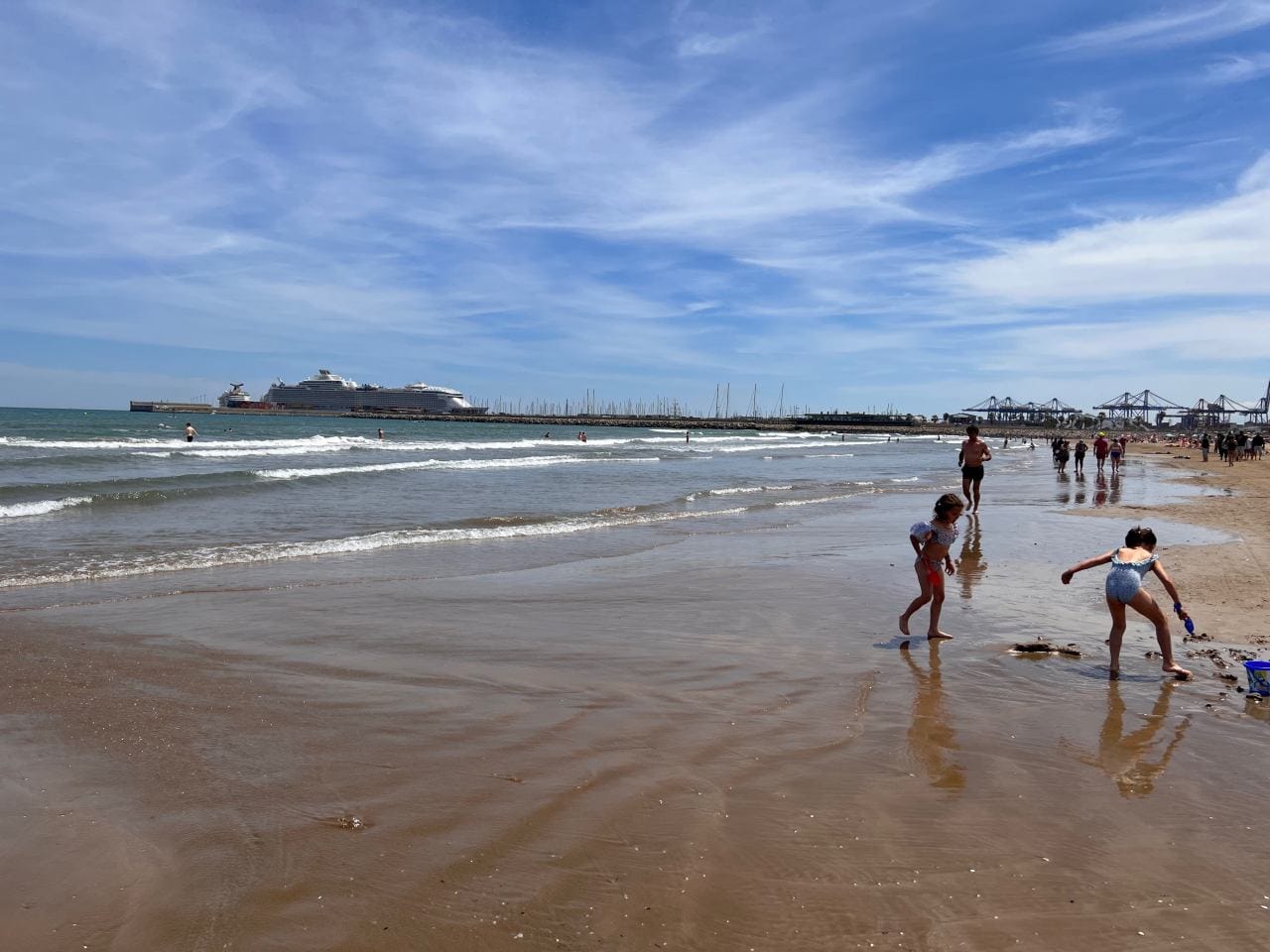
In the first 10 months of the year, the Port of València welcomes 262 cruise ships, 20 more than in the same period of 2024 and well above pre-pandemic levels, contributing to 1.46 million passengers arriving by sea. Around half of those travelers come on cruise vessels, underlining the city’s growing weight on Mediterranean itineraries.
The cruise boom arrives against a modest 1.25 % decline in total tonnage moving through the port compared with the first 10 months of 2024, highlighting how passenger traffic is offsetting weaker cargo figures. Port data show cruise activity not only exceeds last year’s performance but also sets a new high for ship calls by October, with growth outpacing other major Spanish hubs over the last decade. For travel and tourism operators, the numbers confirm València’s emergence as a key port of call and turnaround port for international cruise lines.
Cruise traffic outpaces other Spanish ports
According to the Port Authority of València, the 262 cruise ships recorded between January and October represent an 83-ship increase on 2019, the last full year before the pandemic, and 111 more calls than a decade ago, when 151 ships were registered. That translates into a 75 % rise in cruise traffic over 10 years, the strongest growth rate among Spain’s main cruise ports based on national data up to September. By comparison, Tenerife and Las Palmas grow 58 % and 59 % respectively, Barcelona records a 20 % increase and the Balearic Islands see traffic rise by 3 % over the same decade.
In absolute terms, València still receives fewer cruise ships than some of its rivals. Up to September, ports such as Barcelona, the Balearic Islands and the Canary Islands each surpass 410 cruise calls, almost double the 210 ships that have called at València by that point in the year. Even so, the figures confirm that the city is closing part of the gap and consolidating its place on Western Mediterranean and Atlantic itineraries. Cruise lines continue to add calls in València, attracted by the city’s cultural offer, proximity to the historic centre and growing air and rail links.
Passenger volumes also underline the importance of cruise tourism for the port. Of the 1.46 million people who arrive in València by sea between January and October, roughly half do so on cruise ships, with the remainder travelling on ferries and other passenger services. This makes cruise activity a central pillar of the port’s passenger business, even as overall maritime trade remains dominated by containerised and bulk cargo.
Smaller ships, new strategy and changing passenger mix
Despite the record number of cruise calls, the average number of passengers per ship is falling. In the first 10 months of this year, each cruise ship carries an average of 2,774 guests, compared with 3,020 in the same period of 2024. The shift suggests that smaller or mid-sized vessels are playing a greater role in València’s traffic, in line with local policy aimed at reducing pressure on the city from very large ships.
That policy was outlined by the city’s mayor last year, when María José Catalá, Mayor of València, said that from 2026 “ya no podrán atracar en València los ‘megacruceros’.” The term “megacruceros” does not have a fixed numerical definition, but it generally refers to ships carrying well over 3,000 passengers, above recent average loads in the port. The gradual move away from the biggest vessels is designed to mitigate congestion and environmental impacts while maintaining cruise tourism as a significant economic driver.
In passenger terms, Valenciaport records 726,889 cruise travelers between January and October, a slight decrease of around 4,000 compared with the same period in 2024. The port authority notes that this small decline masks a more complex change in the composition of traffic. Sailings that start or end in València—so-called turnaround calls—are on the rise, while the number of visitors arriving in transit, who stop for a few hours without overnighting in the city, is falling.
From a tourism perspective, that trend is important because turnaround passengers typically spend more in the destination. They are more likely to use local hotels before or after their sailing, take longer tours and use airports and rail services for pre- and post-cruise travel. Transit passengers, by contrast, often have limited time ashore and contribute lower per-capita expenditure, even though they boost daytime footfall in the city centre and at key attractions.
The port’s management sees the current figures as a sign that València is repositioning itself in the cruise market. By attracting a higher proportion of origin-and-destination traffic, the city aims to balance growth with sustainability and secure greater economic benefit per visitor. Cruise companies, meanwhile, are adjusting itineraries and ship deployments to match the new reality, including potential future restrictions on the size of vessels allowed to dock.
For travelers, the shift could translate into a different experience in the years ahead, with fewer very large ships in port at any one time and a gradual emphasis on quality over volume. While València’s overall maritime trade faces headwinds, its cruise segment continues to set new records for ship calls and remains a bright spot for the regional tourism economy. The coming seasons will test how the port and the city manage that success while implementing policies intended to keep growth within sustainable limits.