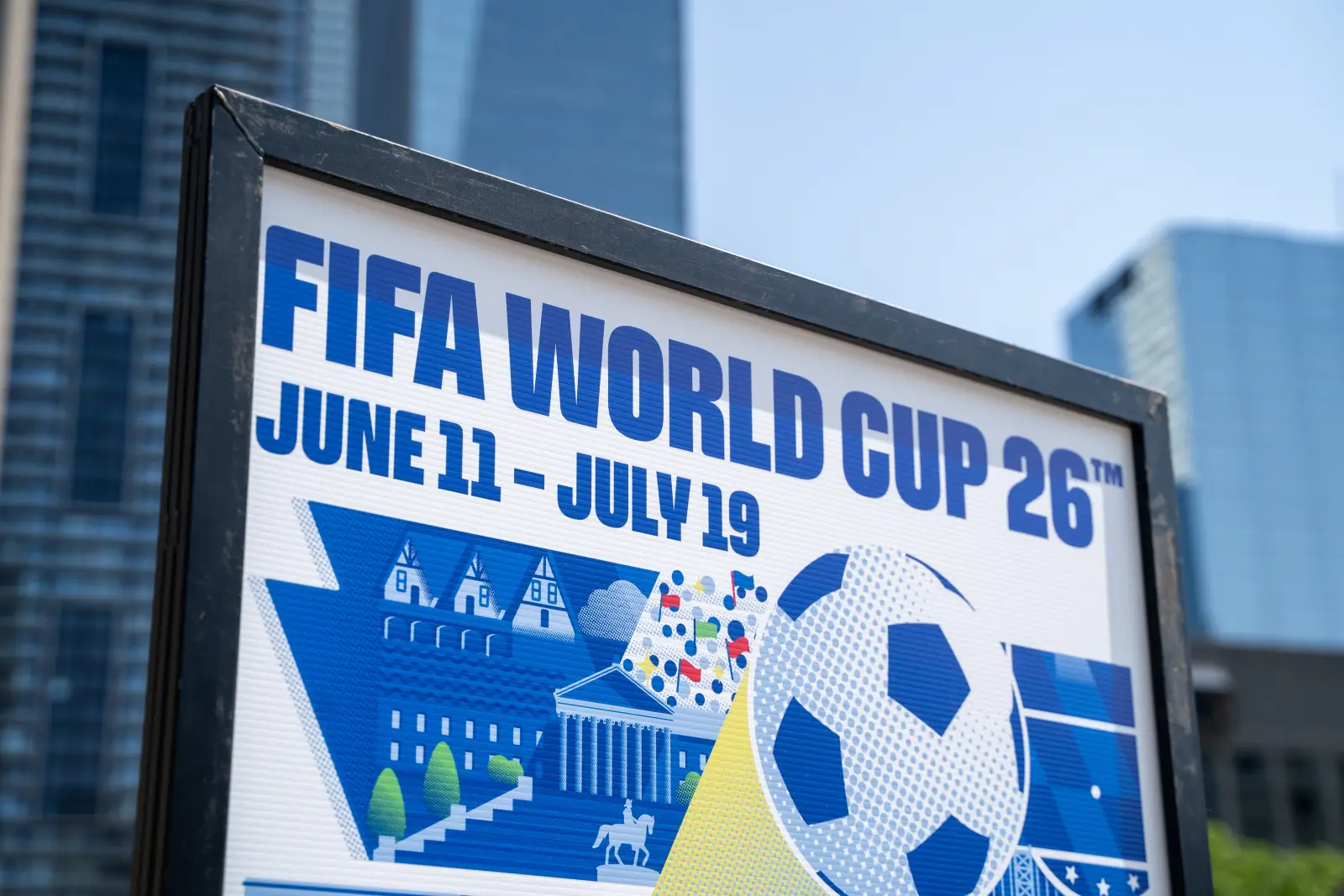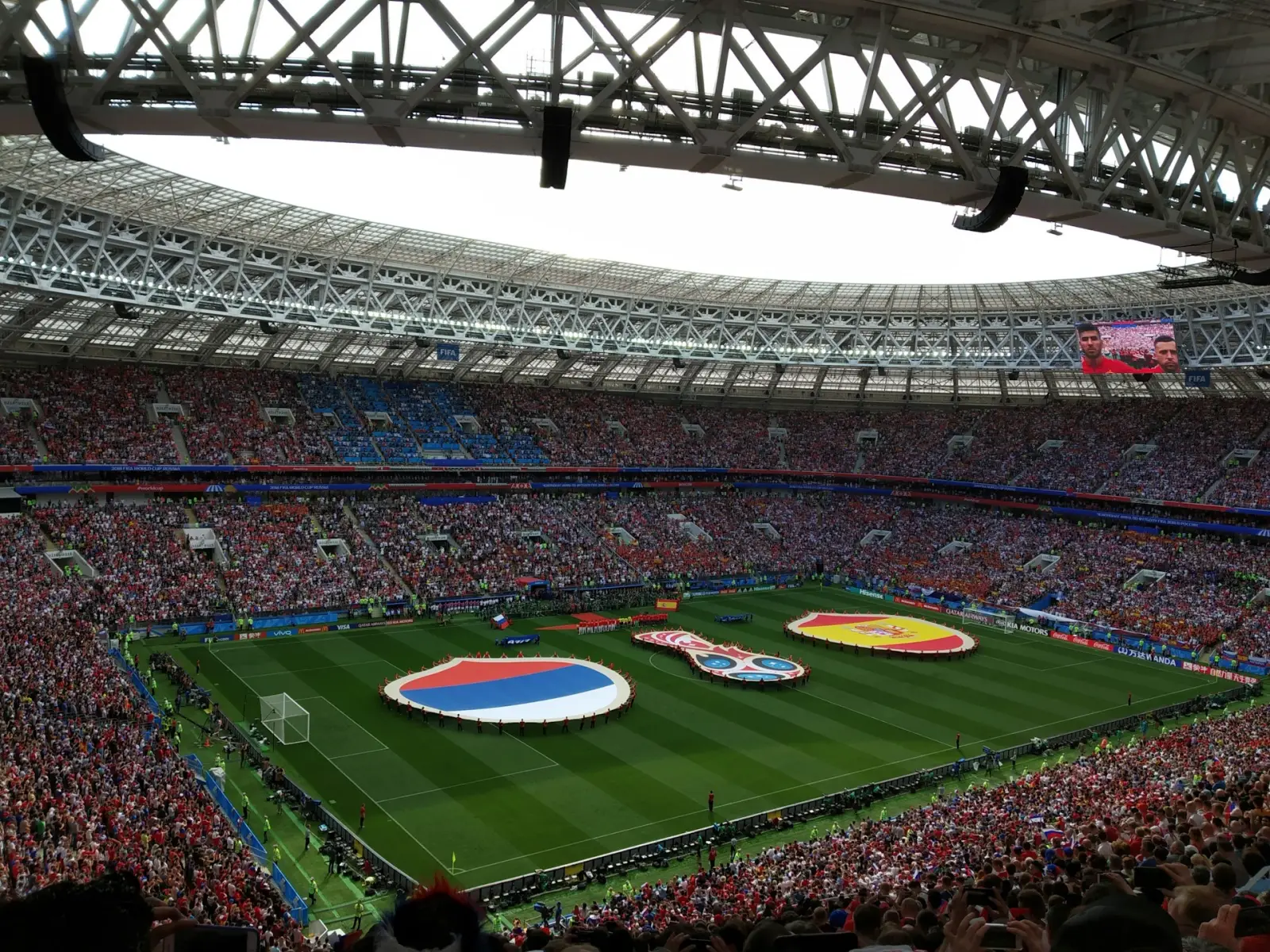
World Cup visitors don’t just buy tickets; many of them spend around match-day viewing and (where legal) sports betting. Here’s how host cities can capture that demand responsibly.
When a city plays host to World Cup football matches, the obvious money is easy to find: hotel rooms, restaurant tables, ride-shares, museum tickets, and stadium concessions. Less obvious, but increasingly material, is how match-week tourism and sports betting behaviour feed into each other, generating extra nights stayed, spending in hospitality districts and (in regulated markets) taxable wagering activity.
This is important because the “headline” benefits of mega-events are something that is often debated. Cities seeking more assured returns, on the other hand, tend to focus on cash flows that can be captured: hotel occupancy taxes, licensing and permits, fans’ area concessions, and event-linked commercial activity. Betting-related demand may lurk silently within those channels. For bettors betting on the 2026 FIFA World Cup, check legal betting requirements at CheekyPunter for the ultimate guide.
Why betting changes the tourism maths
World Cup travel is not often “one-and-done”. Fans often organise trips based on a number of matches, watch parties, and day trips, especially when teams play in different cities. Research on Qatar’s 2022 World Cup, for example, notes that visitor spending and income from broadcasting provided a near-term boost that could reach as much as 1% of GDP, in line with other hosts.
Now add betting. Even people who don’t place wagers still spend in venues influenced by the betting culture: sports bars, fan parks, casino lounges, and sponsor activations.
In regulated markets, the scale is huge. Ahead of the 2022 tournament, the American Gaming Association put the number of US adults who will bet US$1.8 billion on the World Cup at 20.5 million. The Tax Foundation reports US$1.8 billion+ in tax revenues from sports betting in US$1.8 billion revenues collected by US states in fiscal year 2023, a good example of how government revenue can be generated from wagering activity where frameworks are in place.
The “three buckets” of host city revenue
1) Longer stay and full room bookings
Betting-adjacent travel often manifests itself as extra nights. Fans arrive earlier to “settle in” or to stay to watch the other fixtures or to travel between other nearby host cities. For 2026, signs of accommodation demand spikes are already appearing for some host markets (including short-term rentals).
Host cities monetise this most directly through bed taxes/hotel occupancy taxes and visitor levies, revenue that is generally easier to attribute than diffuse “economic impact”.
2) Concentration of Hospitality spend in fan districts
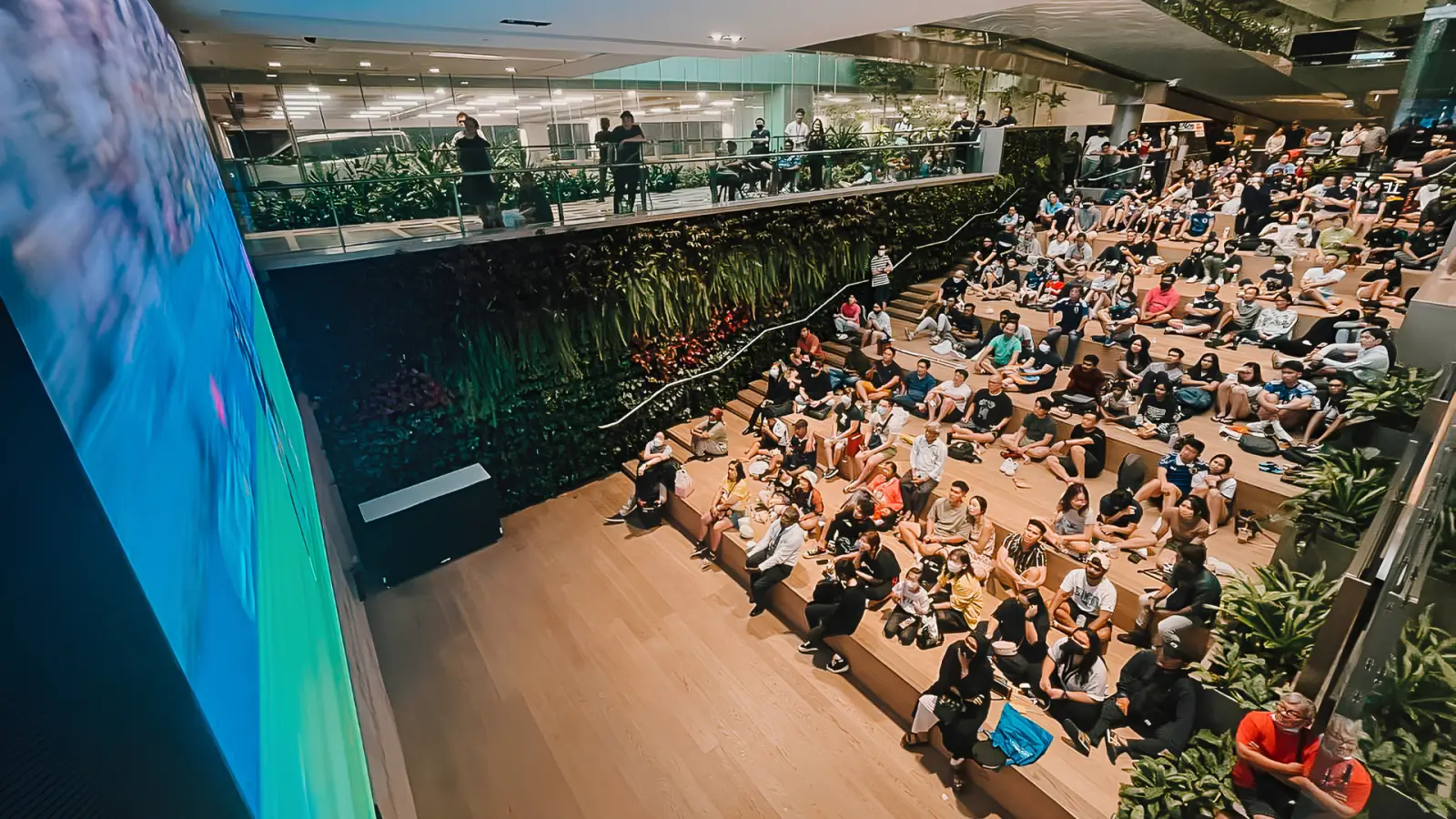
FIFA’s own guidance highlights the power of organised fan experiences: since 2006, during World Cup events, there have been no fewer than 39 million visitors to an event known as either the ‘FIFA Fan Fest’ or ‘Fan Festival’. Those visitors purchase food, drink, merchandise and transport, and cities can capture value through concession tenders, local vendor permits and sponsor activations.
Where betting is legal, “big screen + odds + atmosphere” is a high-margin hospitality product. Even where it isn’t, the same behaviour drives spend (just without the wagering tax layer).
3) Controlled betting taxes and licensing (where applicable)
The purest fiscal channel is taxation on sports wagering gross revenue (and associated fees). New Jersey’s Division of Gaming Enforcement, for example, maintains monthly reports containing calculations of wagering tax on sports wagering. On a larger scale, the Tax Foundation illustrates the amount of public revenue already collected in the US from this category.
The important nuance: this is on a jurisdiction-by-jurisdiction basis. A “host city” may not be able to control gambling law, but can still work with state/provincial regulators and licensed operators to work together on compliant, visitor-facing experiences.
Practical ways in which cities can capture value responsibly
- Designate official fan zones and viewing hubs with clear commercial rules (concessions, brand activations, local vendor access) and build transport links to keep crowds spending safely and conveniently. There is a reason why there is a playbook for fan festivals for the global football governing body, the International Football Association, or simply known as “FIFA”.
- Bundle tourism products around fixtures (museum late nights, transit passes, neighbourhood food trails) UN Tourism points out mega sport events can be used to catalyse tourism development if they are used through destination branding and local experiences.
- If betting is legal, create compliant partnerships: Wayfinding to licensed venues, temporary pop-up entertainment districts, and consumer protection messaging.
- Optimise “capturable” taxes and compliance – enforcement against unlicensed short-term rentals where necessary, streamline permits for temporary venues and transparent reinvestment plans for visitor-tax revenue
- Bake in harm-minimisation. Regulators have investigated the impact of major tournaments on gambling behaviour. Cities should treat responsible gambling as part of event safety: Signage, referrals, limiting aggressive promotion around vulnerable communities.
The bottom line
World Cup tourists will always spend on the obvious: beds, meals, transport, and attractions. But in many markets, the betting culture creates a focus on dwell time and a concentration of spend in fan districts and venues, where cities can collect taxes, fees, and concession revenue more directly. The opportunity isn’t to “push betting”, it’s to plan for the behaviour that already occurs, capture the value transparently, and reduce harms through strong consumer safeguards.