Italy is preparing for an unprecedented summer surge in tourism, with forecasts estimating a record 27 million international visitors between June and September 2025.
Airports across the country have already processed over 10.6 million arrivals by early June, indicating a sustained upward trend in traveler demand. The anticipated tourism boom is expected to generate upwards of €10 billion in direct spending, excluding ancillary purchases made upon arrival in Italy.
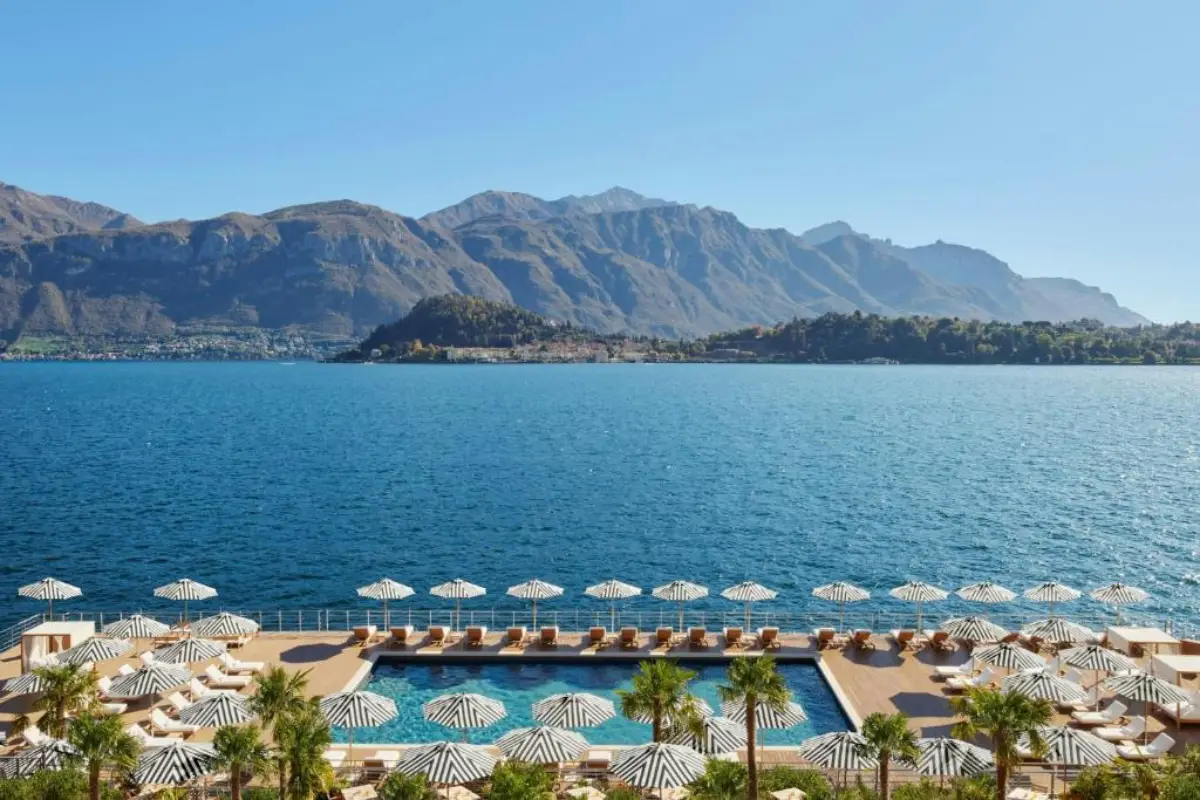
However, this surge comes amid escalating concerns about overtourism, especially in popular destinations such as Venice, Lake Como and Cinque Terre. Communities are warning that the exponential flow of visitors is overwhelming infrastructure, inflating real estate prices, draining public services and diluting local culture. It’s a tension-filled summer where economic prosperity collides with social stress.
Record-Breaking Summer Forecast
Travel data indicates that from June through September 2025, foreign arrivals to Italy will exceed those of 2024 by approximately 4.6%, with over 10.6 million tourists recorded in just the first quarter of the summer season — including a peak of 2.3 million in April alone. The main sources of inbound travelers are the United Kingdom (1.6 million), the United States (1.2 million), and Germany (1.0 million).
The projected €10 billion in tourist spending is expected to benefit a wide range of stakeholders, from hotels and restaurants to local tour operators and retail shops. Italy’s Tourism Minister has celebrated the forecast as a powerful indicator of post-pandemic recovery and the success of national campaigns promoting Italy’s cultural and natural assets.
Catalysts Behind the Boom
- Return of pent‑up demand: Travelers are eager to resume international visits, especially after pandemic-driven cancellations.
- Economic rebound: Improved air connectivity and competitive currency rates have helped make Italy more accessible.
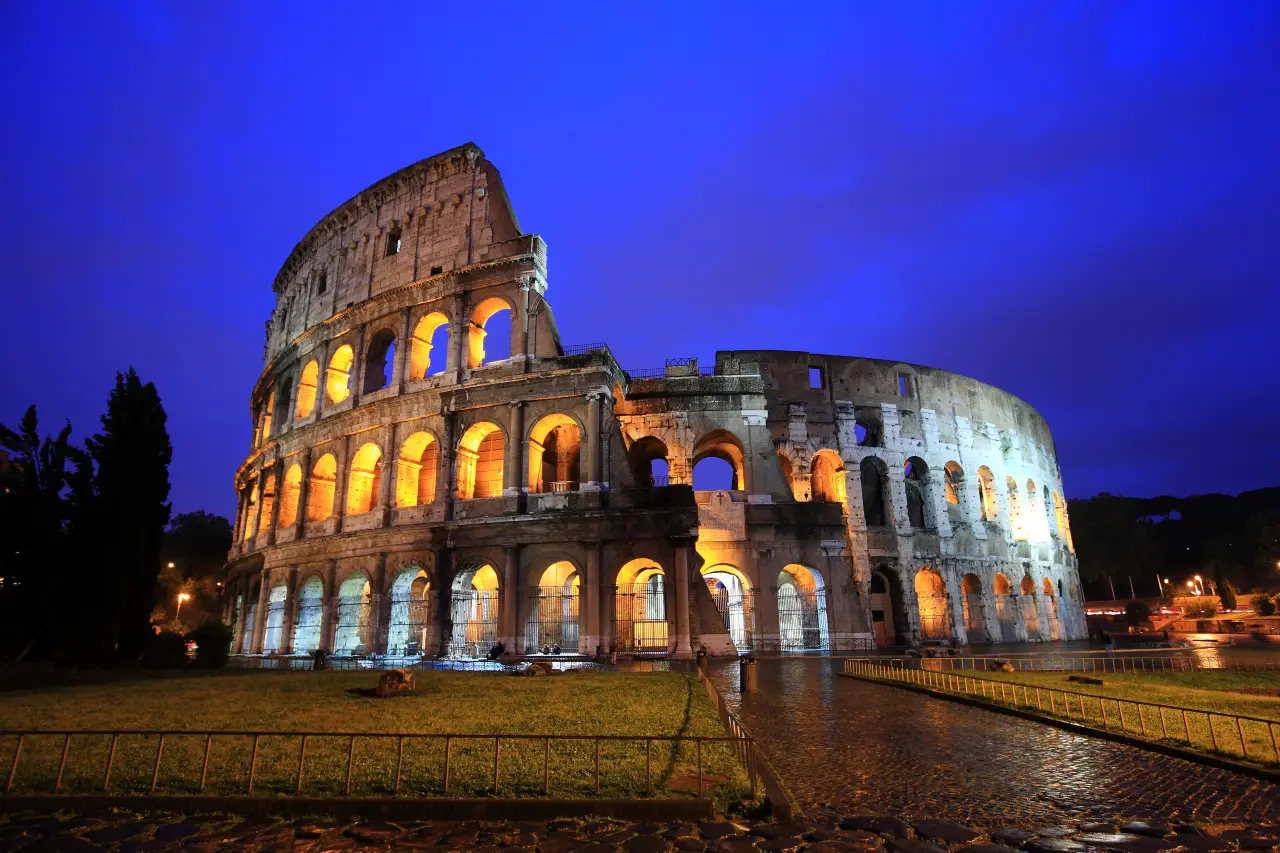
- Major events: Events like the Jubilee Year celebrations in Rome have pushed tourist numbers higher.
- Targeted marketing: Campaigns promoting off‑season and regional destinations have begun to spread visitor flows.
Despite these expansion efforts, the volume of tourists remains extremely high in traditional hotspots, triggering concerns from local communities and conservationists.
Overtourism Pressure Points
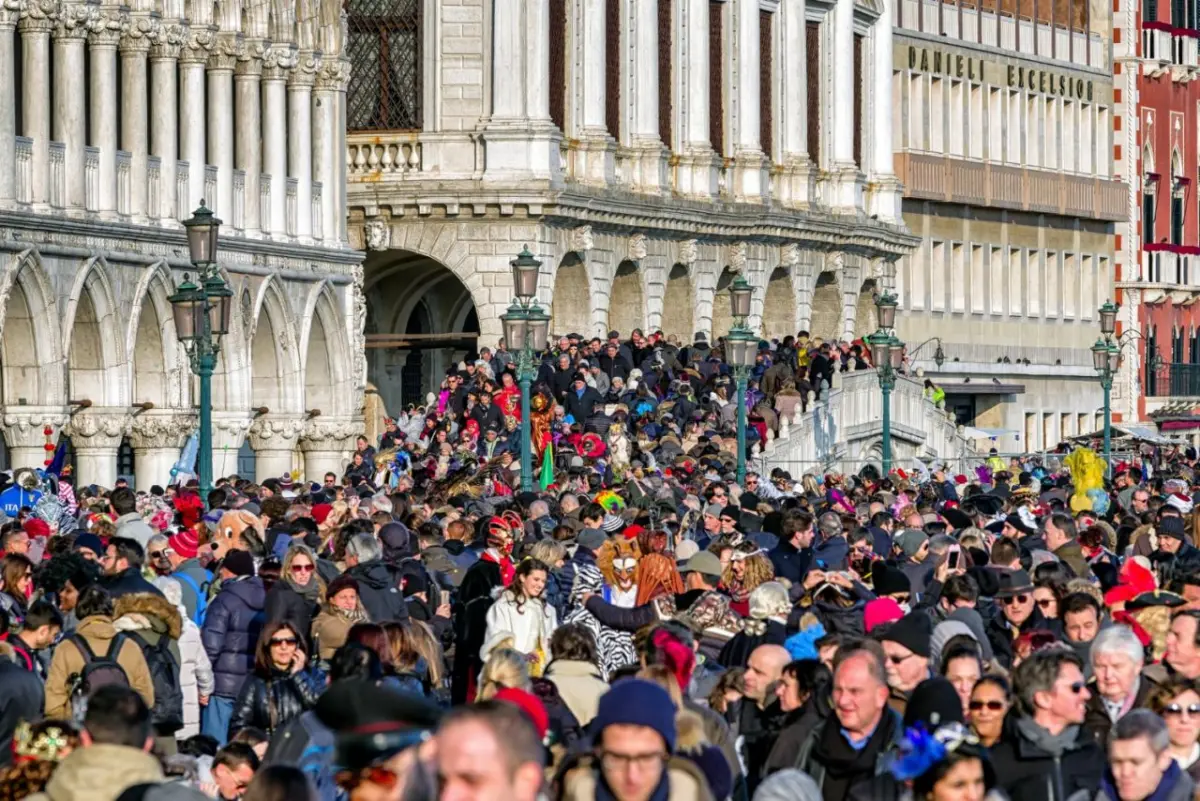
Overtourism is not an abstract concept in Italy—it is a tangible crisis. In Venice, the historic centre now hosts up to 85,000 daily day-trippers, compared to a dwindling resident population of fewer than 50,000. As a response, city authorities have implemented daily entry fees for visitors and restricted cruise ship entries, while activists rally under the banner “No Space for Bezos” when high-profile events spotlight the issue .
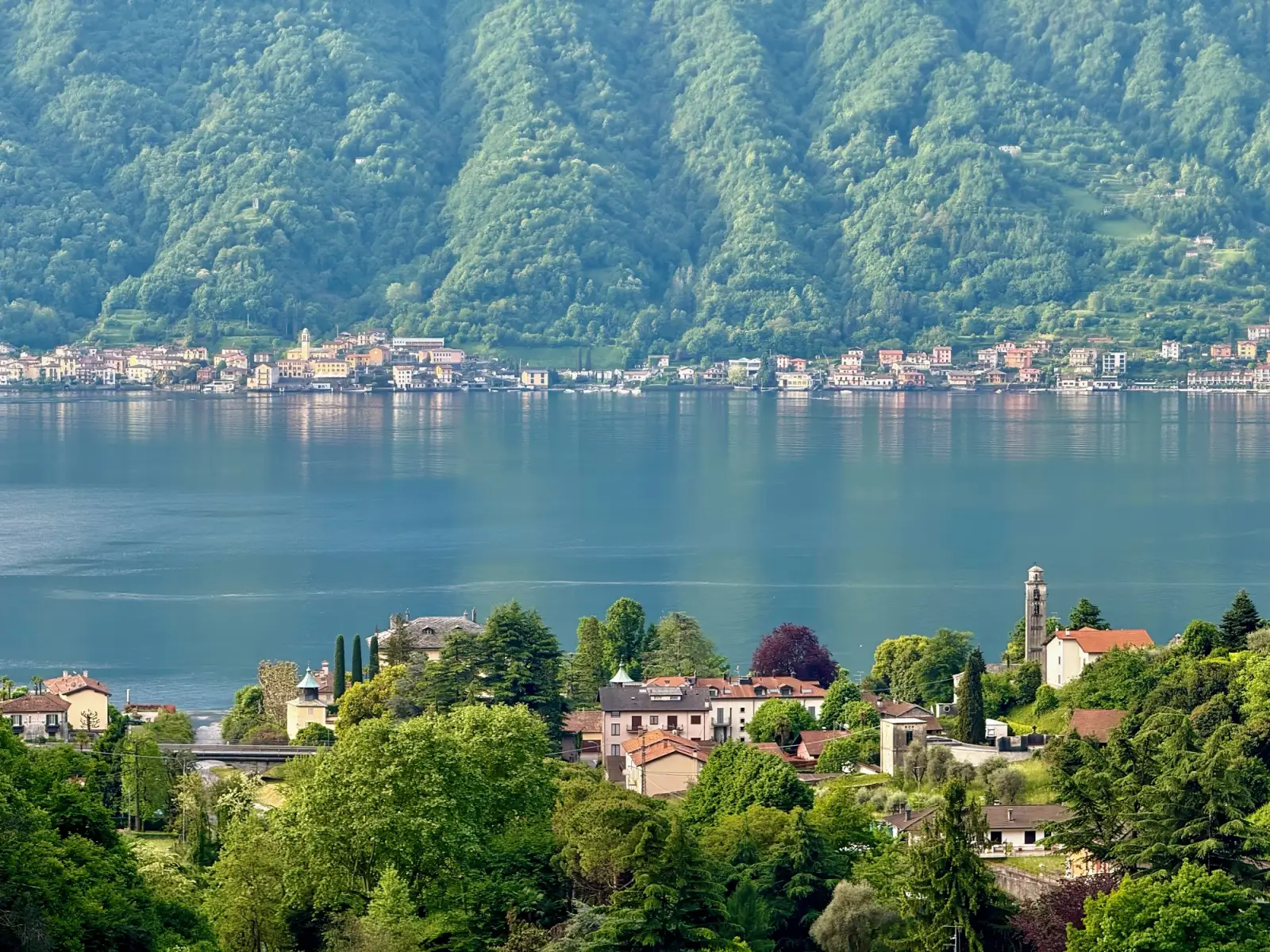
Lake Como, another victim of popularity, saw 4.8 million overnight stays in 2023. Its fragile infrastructure—narrow roads, overloaded transport systems, aging water management—was stretched beyond capacity. Conservation groups point to these increases as unsustainable without serious measures to protect both the community and the environment.
Community Backlash and Activism
- Venice protests: Locals have staged demonstrations against high-profile weddings, cruise ships and luxury tourism, demanding that authorities prioritize residents’ needs and control visitor numbers entry fees for day‑trippers and limits on short‑term rentals to curb rising real estate costs.
- Cinque Terre congestion: Popular hiking trails are seeing increasing foot traffic, prompting local authorities to pilot visitor quotas to combat environmental degradation.
These disruptions reflect a growing feeling across Italy: tourism needs to be managed more responsibly before it erodes the very attributes that draw international attention.
Policy Responses Taking Shape
In the face of this critical juncture, Italy has begun rolling out measures intended to balance visitor influx with sustainable stewardship:
- Tourist entry fees: Venice has expanded day-tripper fees, charging between €5–10 depending on timing and access.
- Short-stay rental regulations: Local councils in Florence, Como and Cinque Terre are introducing caps and licensing for platforms like Airbnb.
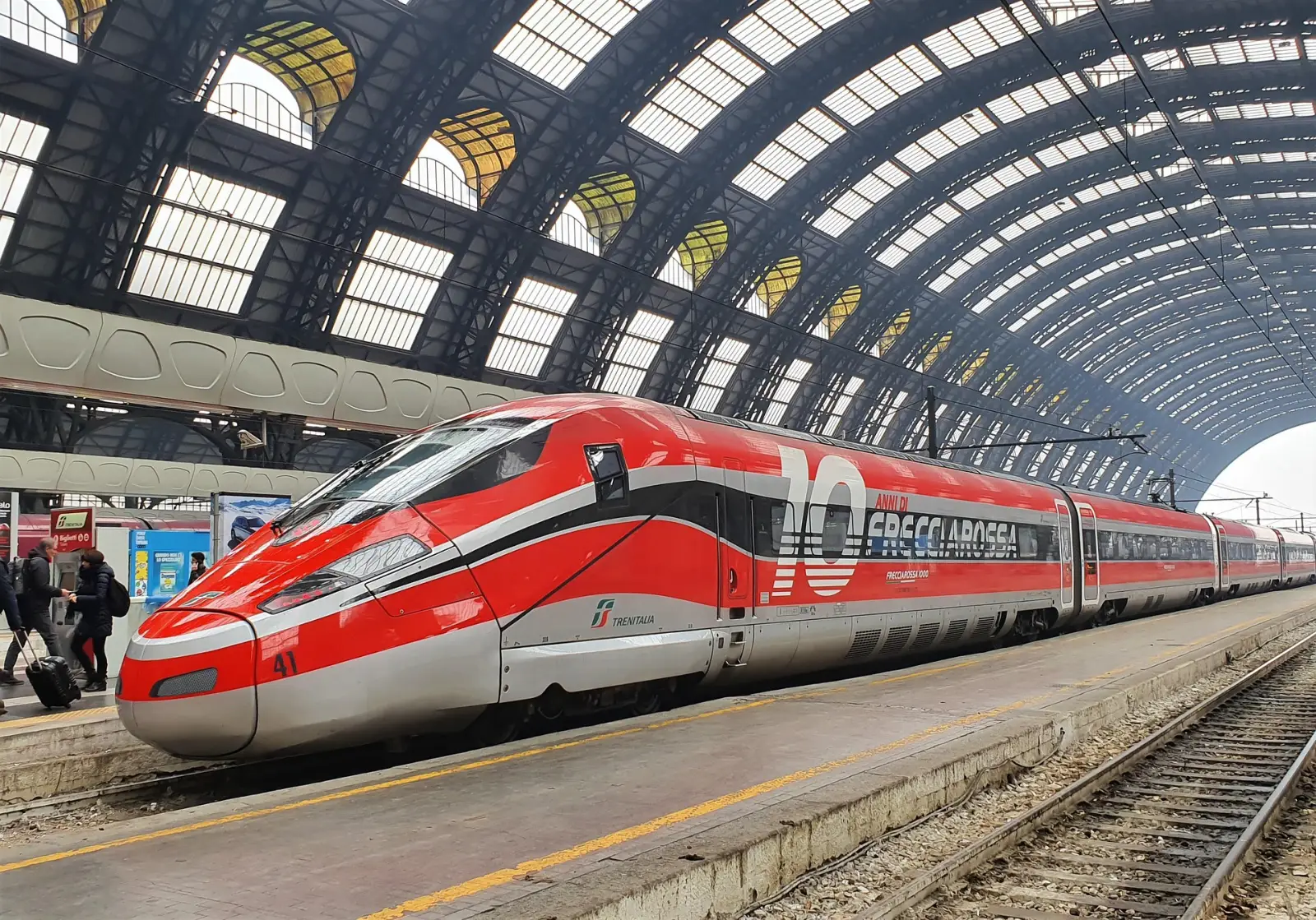
- Transport investment: High-speed rail expansions are easing pressure on airports while dispersing tourists more evenly across regions.
- Piloting quota systems: Authorities are trialing timed entry and group limits at UNESCO sites.
Such strategies highlight Italy’s commitment to implement localized, sustainable tourism solutions—and its reliance on global tourism for revenue creates a high-stakes balancing act.
What Tourists Should Know
If Italy tops your summer travel list, here is how to prepare:
| Tip | Action |
|---|---|
| Book ahead | Reserve park tickets, transport, and accommodations in advance |
| Avoid the busiest hours | Plan visits early or late in the day when crowds are lighter |
| Explore off-season gems | Consider lesser-known regions like Umbria, Le Marche or Calabria |
| Be mindful | Follow local rules, support small businesses, minimize environmental impact |
By taking small steps, travelers can enjoy Italy’s beauty without adding pressure to overcrowded destinations.
Long-Term Sustainability
Italy’s tourism officials recognize that future success depends not just on high arrival numbers, but on preserving Italy’s social fabric, heritage and environmental integrity. Future strategies include:
- Dynamic pricing models to shift visitor demand
- Collaboration with tour operators and airlines for staggered arrivals
- Promotional focus on rural and cultural tourism beyond peak hubs
- Investment in digital tools for visitor insights and resource management
If these measures succeed, Italy could offer a global blueprint for sustainable tourism—preserving history and community while maintaining economic vitality.
As the summer unfolds and millions more travellers arrive, the world will watch—and Italy will decide whether it can sustain its heritage amid its greatest tourism boom yet.