Louvre Museum staff have voted unanimously to resume strike action, leaving the world’s most visited museum only partially open to visitors as protests over working conditions, staffing levels and ticket prices continue into the new year.
The strike was confirmed after a general assembly on Monday morning, January 5, called by an inter-union group. According to unions, around 350 staff across management, conservation and support roles backed the walkout, which follows a pause in industrial action over the December holiday period.
What visitors can still see at the Louvre Museum?
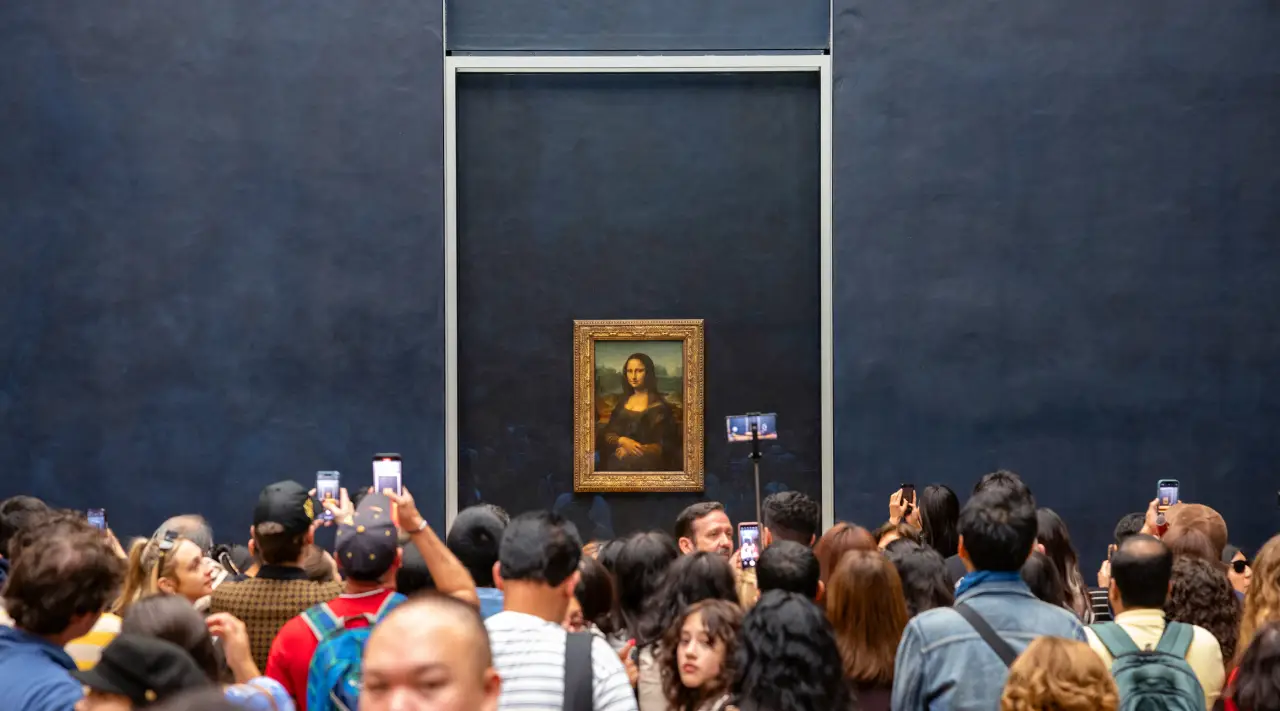
Louvre management said the museum remains open “partially, with the masterpieces route”, allowing access to some of its most famous works. These include the Mona Lisa, the Venus de Milo and the Winged Victory of Samothrace, while other galleries and services are affected by reduced staffing.
“Around 350 people from various professions – management, conservation, support functions – voted unanimously” to resume the strike, said Valérie Baud, CFDT representative. The CGT-Louvre union echoed that position on social media, writing that there was an “Unanimous vote in the general assembly to continue the strike,” adding that “the struggle continues in 2026”.
The renewed action follows a strike movement that began on December 15 and was suspended four days later. Union representatives said the pause was intended to allow negotiations with the Ministry of Culture, but talks failed to deliver what staff see as meaningful progress.
Why Louvre staff are protesting
At the heart of the dispute is understaffing, particularly when it comes to the surveillance of galleries in a museum that welcomes millions of visitors each year. Staff have also raised concerns about the deterioration of the historic building itself, an issue brought into sharp focus by the theft of eight jewels from the French Crown on October 19.
Another flashpoint is the planned increase in ticket prices for non-European visitors, a measure due to come into effect on January 14. While the Louvre remains a must-see attraction for many travellers, unions argue that rising prices are not being matched by investment in staffing or safety.
The Ministry of Culture has sought to defuse tensions by promising to cancel a planned 5.7 million euro reduction in public funding for the Louvre, alongside commitments to recruitment and compensation increases. However, unions have described these measures as insufficient, prompting the decision to resume strike action at the start of the working year.
For tourists, the situation means a visit that may look different from what guidebooks promise. While headline masterpieces remain accessible, parts of the museum may be closed at short notice, queues may be longer, and visitor services more limited.
The Louvre’s partial opening underscores a broader challenge facing major European museums as they balance record visitor numbers, rising costs and the expectations of a global audience. For now, travellers planning a Paris trip are advised to check ahead and be flexible, as staff continue to press their case inside one of the world’s most recognisable cultural landmarks.