International visitors to the Louvre now pay €32 for entry, marking a 45% increase from the previous €22 fee, as the Paris museum introduces a two-tier pricing system to fund major renovation works and strengthen security.
The higher charge applies to adult visitors from outside the European Economic Area, including tourists from the US, China, and the UK. The museum says the move supports long-term preservation of its buildings and collections following a high-profile theft of the French Crown Jewels last October.
The Louvre remains free for all visitors under 18, people with disabilities and one accompanying carer, those on income support, and EEA citizens and residents who qualify for reduced or free access. Museum staff may request photo identification at entrances and ticket checkpoints to verify eligibility. The new pricing structure places the Louvre among a small number of European cultural sites that charge higher rates to international tourists.
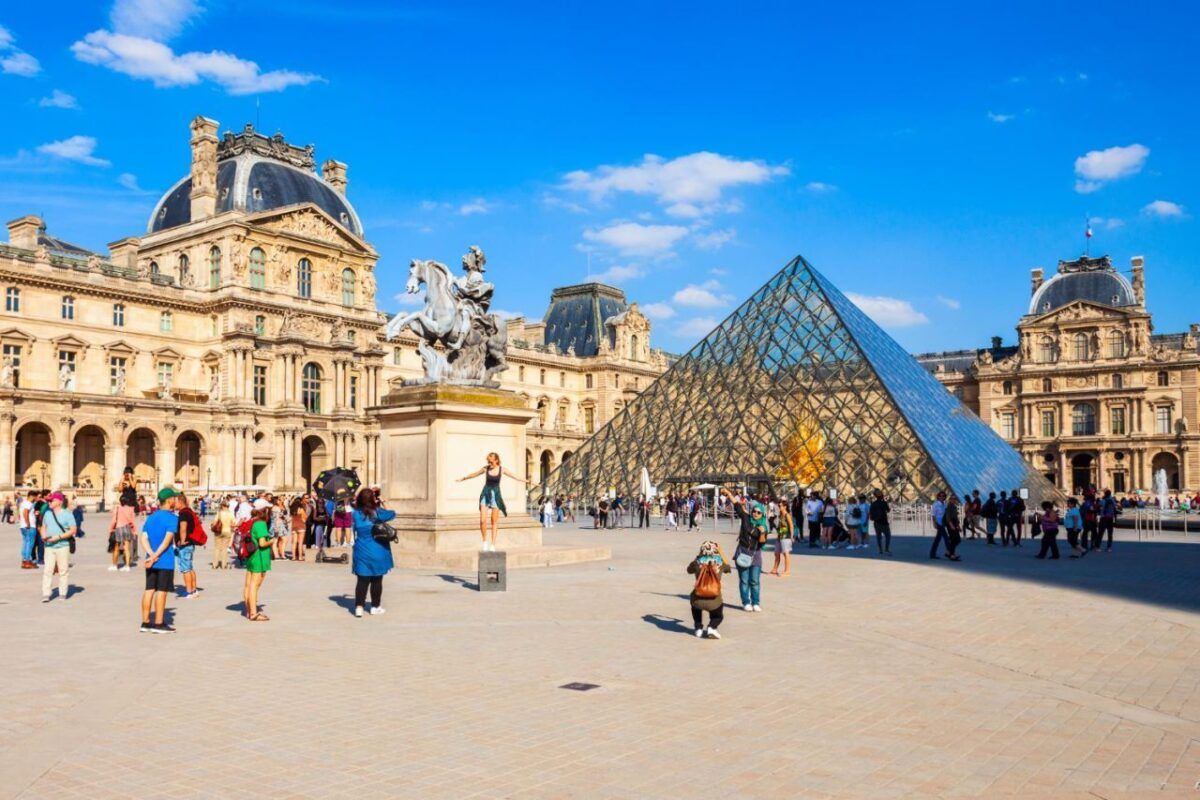
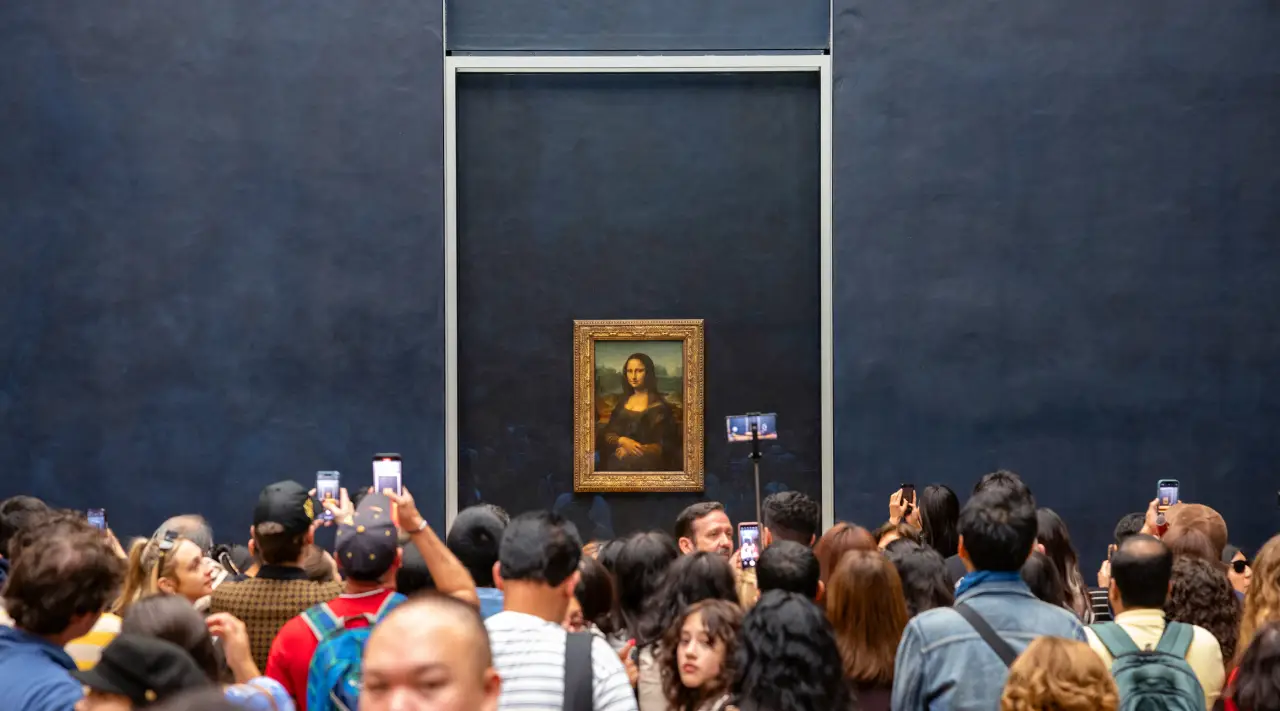
For many travellers to Paris, the Louvre sits at the top of the must-see list, drawing millions each year with its vast collection of more than 500,000 works of art. The museum is home to globally recognised masterpieces such as the Mona Lisa, the Venus de Milo and Liberty Leading the People by Eugène Delacroix, alongside works by Leonardo da Vinci and Michelangelo. Its glass pyramid entrance has become one of the city’s most photographed landmarks.
The fee increase forms part of a broader effort to secure funding for renovation projects while addressing rising operational and security costs. Museum officials point to the need to protect priceless artefacts and modernise aging infrastructure to accommodate heavy visitor numbers. The decision follows heightened security concerns after the theft of historic jewels from French collections last year.
Two-tier pricing remains relatively rare across Europe, where most major museums and heritage sites charge uniform entrance fees regardless of nationality. However, a few high-profile attractions have adopted similar models. In Rome, the Musei Capitolini now offer residents free entry instead of the standard €8 ticket, while in Athens, EU citizens under 25 can enter the Acropolis for free and those over 65 benefit from reduced rates.
Outside Europe, charging international visitors more than locals is common practice, particularly in countries where tourism provides a crucial source of national income. India’s Taj Mahal charges ₹50 (€0.55) for domestic visitors compared with ₹1,100 (€12) for foreign tourists, while Thailand’s Grand Palace asks foreigners to pay ฿500 (€13) as Thai nationals enter free. Similar systems operate at Machu Picchu in Peru and the Pyramids of Giza in Egypt.
The Louvre’s move has sparked debate over access to art and culture, with critics arguing that global heritage should remain equally accessible regardless of nationality. Trade unions have voiced strong opposition, with France’s CGT Culture union describing the price hike as turning culture into a “commercial product”.
Defending the policy when it was first announced, France’s Culture Minister Rachida Dati said “I want visitors from outside the EU to pay more for their entry tickets and for that surcharge to go toward funding the renovation of our national heritage… The French are not meant to pay for everything all by themselves.”
Supporters of the change argue that international tourists make up a substantial share of visitors and that modest surcharges can help secure the future of cultural institutions without burdening domestic taxpayers. In 2024, visitors from the US accounted for 13% of total Louvre attendance, while Chinese tourists made up 6%, making overseas travellers a significant revenue source.
The Louvre may not be the last European institution to adopt differentiated pricing. In France, the Palace of Versailles has already increased international ticket prices by €3, while Paris’s national opera house and the Chambord Palace in the Loire Valley have also raised fees. Cultural leaders elsewhere are watching closely to see how the policy impacts visitor numbers and public perception.
In the UK, similar ideas have entered public debate. In 2024, the former interim director of the British Museum, Sir Mark Jones, suggested a £20 entry fee for overseas visitors as a way to fund major redevelopment projects, although no official decision has been taken. If adopted, it would represent a major shift for institutions long known for free public access.
As tourism across Europe rebounds and heritage sites face mounting maintenance costs, the Louvre’s pricing change could signal a broader transformation in how cultural landmarks balance accessibility with financial sustainability. Whether visitors accept higher fees as a necessary investment or view them as a barrier to shared global culture may shape museum policies in the years ahead.
Photo Credit: ByDroneVideos / Shutterstock.com