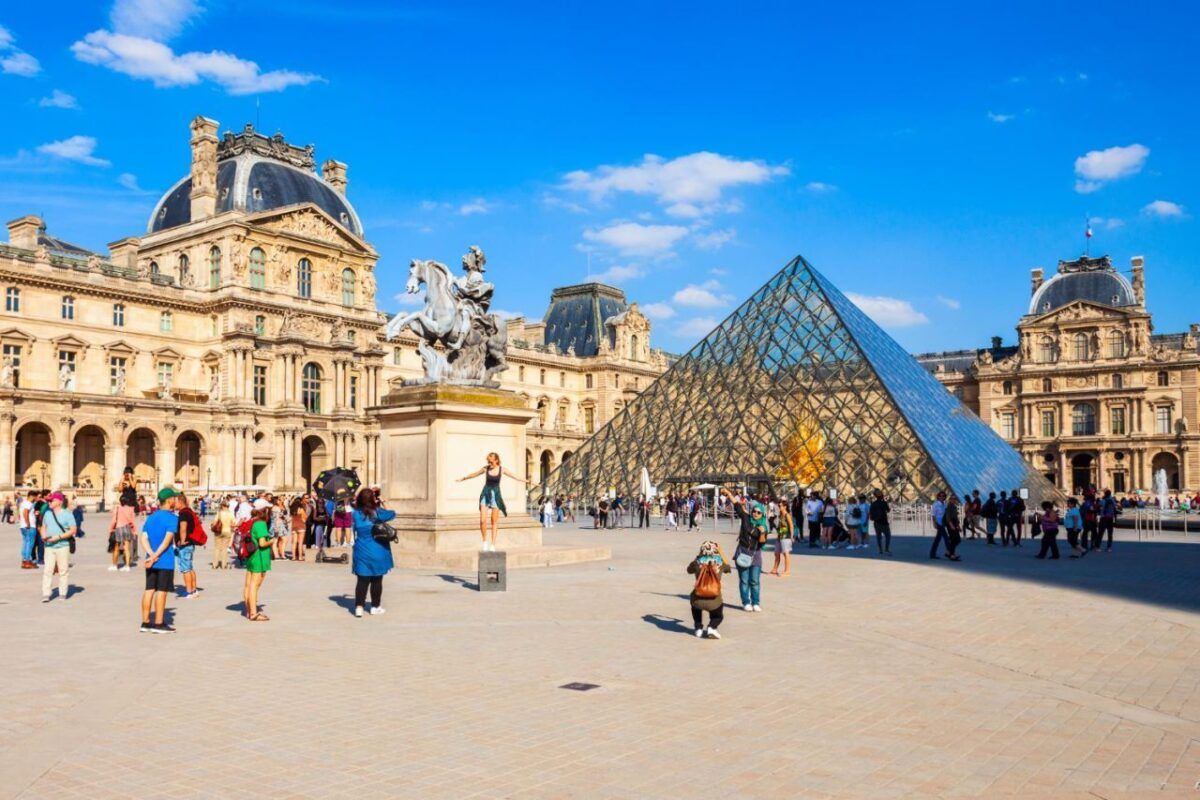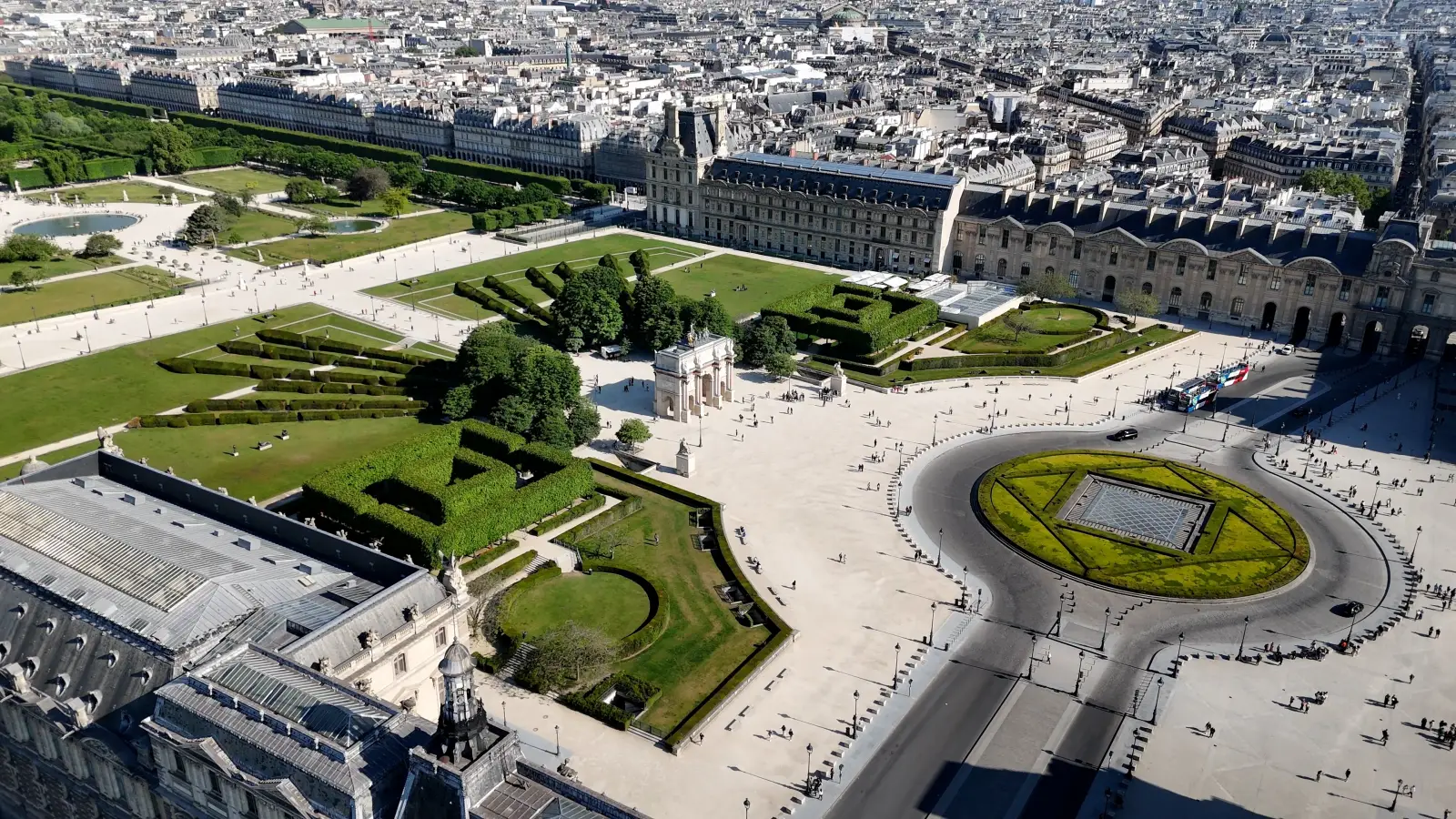
In a daring act that feels torn from the pages of a heist film, eight priceless jewels vanished from the Louvre Museum — a theft now under intense investigation by French authorities.
The Ministry of Culture confirmed that eight heritage pieces were stolen from the Louvre’s Galerie d’Apollon on Sunday, 19 October. The collection included a necklace with eight Ceylon sapphires and 631 diamonds, another adorned with 32 emeralds and 1,138 diamonds, and a diadem featuring 212 pearls and nearly 2,000 diamonds. The jewels are described as being of “inestimable patrimonial value,” far beyond their estimated worth of €88 million.
According to the Paris prosecutor Laure Beccuau, investigators from the Brigade de répression du banditisme (BRB) and the Office central de lutte contre le trafic des biens culturels (OCBC) are focusing on organized crime. Two main leads are being pursued: either the theft was commissioned by a collector with a specific passion for Napoleonic-era artifacts, or the jewels were stolen for their raw materials — the gemstones and gold that could be resold or used for money laundering.
“They didn’t even glance at other display cases,” a police source told franceinfo, suggesting the thieves knew exactly what they were after. The operation, executed with precision and speed, has fueled speculation about insider knowledge or professional coordination.
Experts say the likelihood of the jewels being resold intact is slim. “These jewels are catalogued, photographed, and listed across international databases,” explained Laure Assumpçao, an art law specialist with UGGC. “Their resale in their current state is practically impossible.” The more realistic concern, she noted, is that the pieces could be dismantled — the diamonds recut, pearls and emeralds separated, and the gold melted into ingots to disguise their origins.
This practice, known among investigators as “depecer,” is not uncommon in high-value art theft. “Jewelry is often targeted because it can be transformed,” said General Jacques Morel, a security expert and former head of the Versailles research division. “Once broken down, these objects lose their historical identity — and much of their monetary value.” Morel estimated that stolen jewels, once dismantled, are typically worth only 20 to 25 percent of their original value.
The investigation has also sparked renewed attention on Europe’s black market for art and antiquities. Belgium, for example, is known as a frequent destination for stolen artworks, partly due to its five-year statute of limitations for receiving stolen goods. Still, most experts believe this heist doesn’t fit the profile of the more “sophisticated” art trafficking networks seen in major museum robberies.
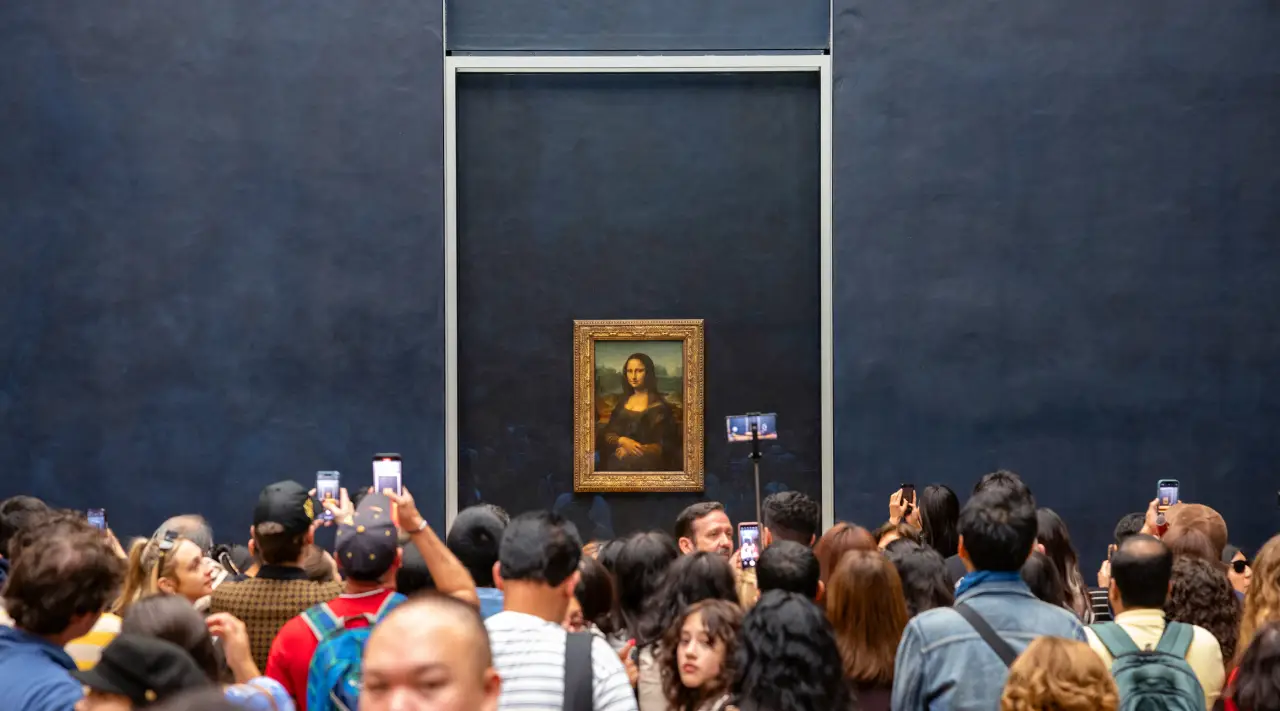
For Paris, a city where art and identity are deeply intertwined, the crime has provoked both shock and fascination. The Galerie d’Apollon — home to France’s crown jewels — is itself a masterpiece, with gilded ceilings, frescoes, and centuries-old treasures symbolizing royal grandeur. Visitors describe the space as one of the Louvre’s most breathtaking halls, rivaled only by the Mona Lisa’s gallery in cultural magnetism.
Beyond the investigation, the theft raises larger questions about the security of world heritage collections and the enduring allure of priceless art. Even in an era of high surveillance and digital catalogues, the temptation of historic beauty — and the greed it inspires — remains a human constant. As General Morel put it, “In every spectacular jewelry case, the perpetrators are always found. But the jewels often vanish forever.”
The French government has pledged to recover the missing pieces, with President Emmanuel Macron publicly vowing that France will “not rest” until the jewels return home. Whether they reappear intact or resurface decades later, experts agree that the state can legally reclaim them at any time, since such objects are “imprescriptible and inalienable” under French law.
For now, the Galerie d’Apollon remains open, its glittering displays still enchanting visitors who come to stand before what remains. But behind the polished glass and golden light, a quiet tension lingers — a reminder that even in places built to preserve beauty, some treasures can still disappear into legend.
Photo Credit: ByDroneVideos / Shutterstock.com