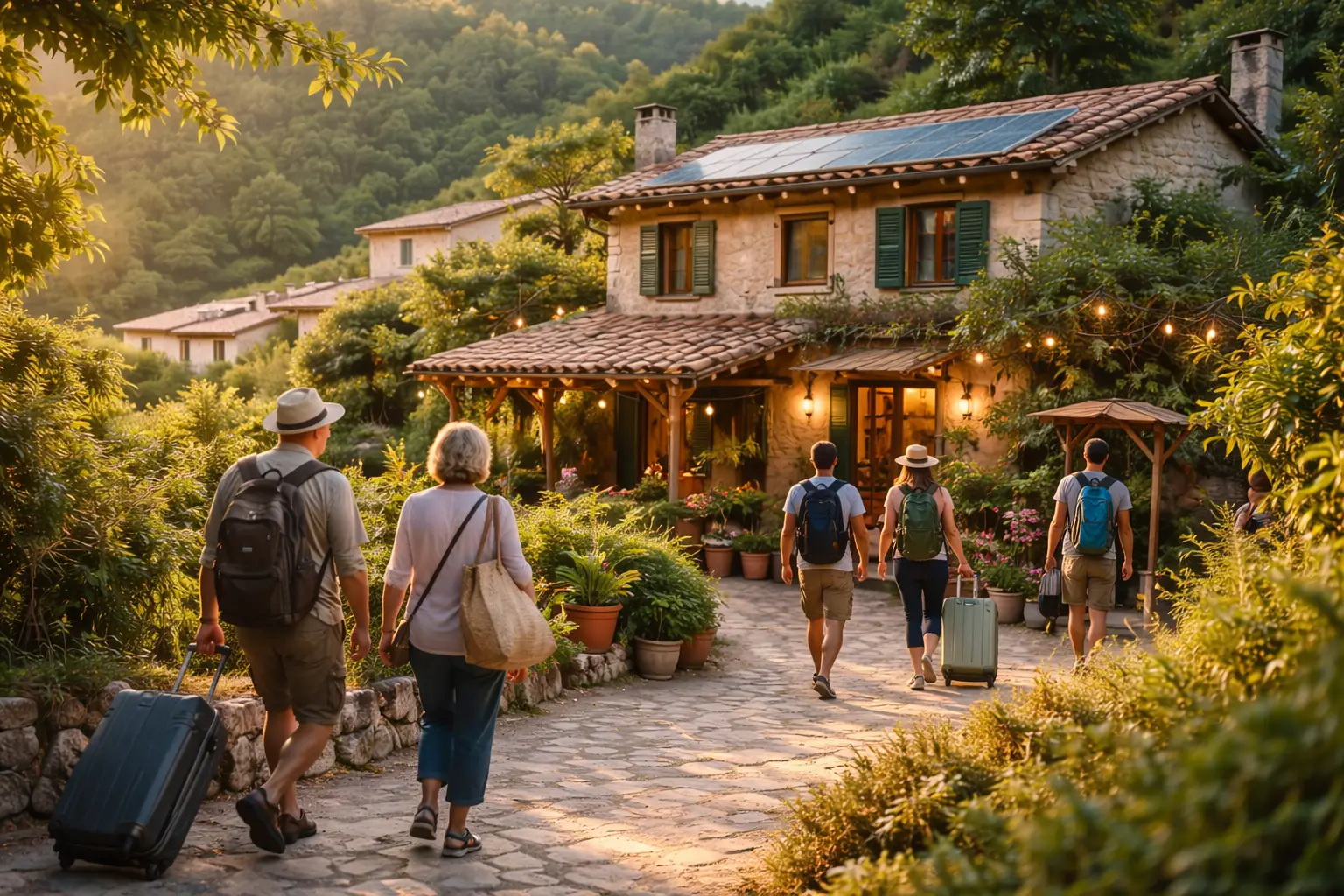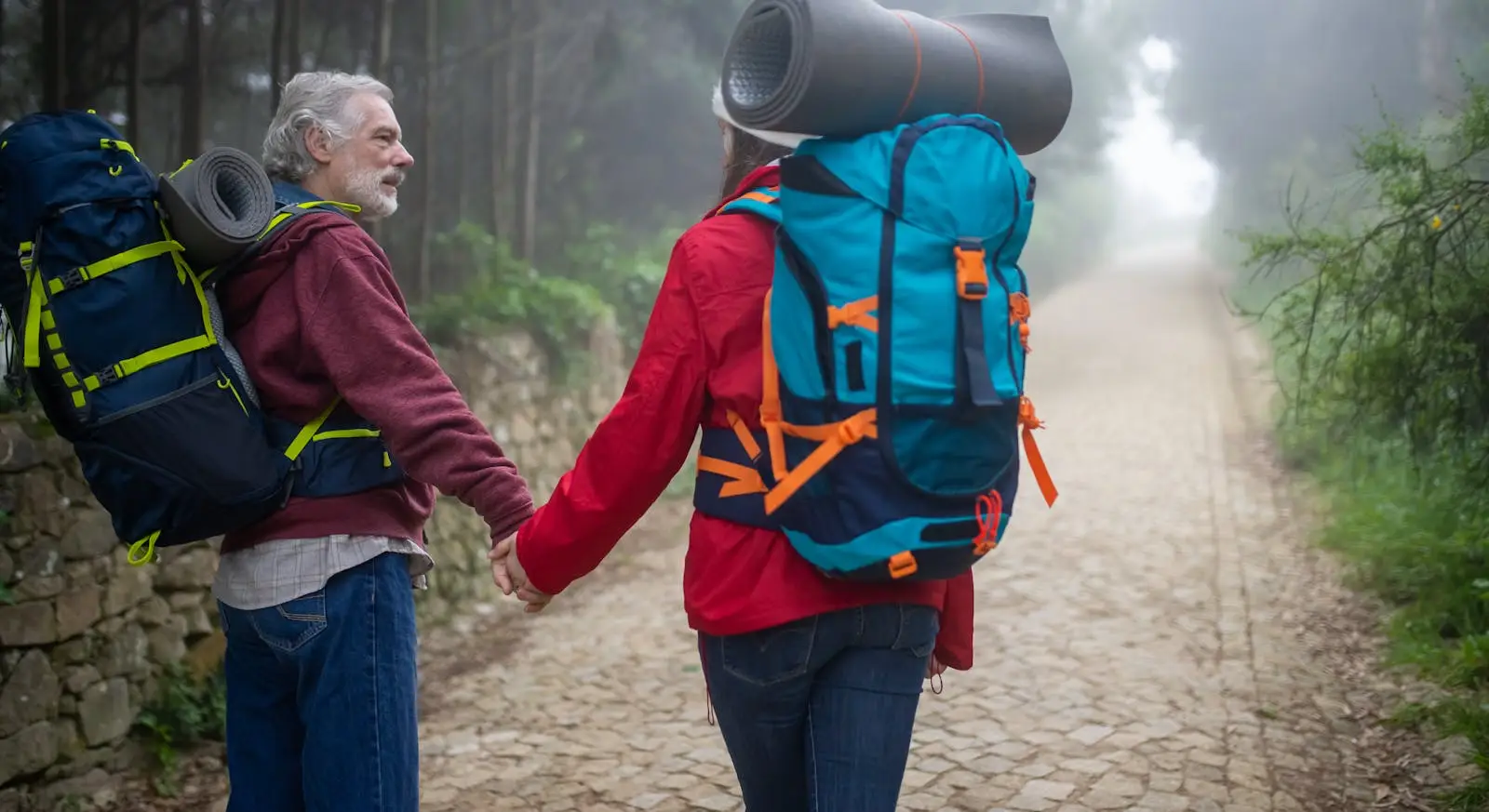
Older travelers are significantly more likely to take practical steps toward sustainable travel than their younger counterparts, despite expressing lower overall intentions to do so, according to new research from Booking.com.
The finding is part of the travel platform’s 11th annual Travel and Sustainability Report, which surveyed 32,500 travelers across 35 markets globally. The results reveal a striking generational paradox at the heart of sustainable travel.
While 75% of Gen Z respondents (aged 18–28) and 71% of Millennials (aged 29–44) say they want to travel more sustainably in the coming 12 months, fewer than half of Boomers (47%, aged 61 and over) express the same intention. Yet when it comes to actual behavior, the pattern reverses sharply.
Boomers lead on practical eco habits
Of those who intend to travel more sustainably, Boomers consistently outperform all other generations across every measurable category:
- Reducing general waste: Boomers 67%, Gen X 56%, Millennials 52%, Gen Z 48%
- Reducing energy consumption (e.g. turning off air conditioning and lights when not in the room): Boomers 60%, Gen X 51%, Millennials 46%, Gen Z 42%
- Shopping at local, independent stores: Boomers 59%, Gen X 50%, Millennials 44%, Gen Z 42%
- Traveling outside of peak season: Boomers 63%, Gen X 48%, Millennials 41%, Gen Z 36%
The generational divide is perhaps most pronounced on off-peak travel, where Boomers are nearly twice as likely as Gen Z to actively plan around busy periods.
Where younger travelers lead
The research does identify areas where Gen Z and Millennials are ahead. Younger generations are more likely to engage with cultural and conservation experiences while traveling.
- Participating in tours involving local indigenous people or cultures: Gen Z 31%, Millennials 29%, Gen X 23%, Boomers 18%
- Taking part in activities contributing to local ecosystem or wildlife conservation: Gen Z 24%, Millennials 23%, Gen X 16%, Boomers 9%
Despite the generational differences in both intention and action, one finding holds steady across all age groups: 85% of travelers, regardless of generation, say that more sustainable travel is important or very important to them.
A shared foundation
The broad consensus on the importance of sustainable travel suggests that the gap between generations is one of method and habit rather than values, with older travelers drawing on established routines and younger ones more focused on experiential and cultural engagement.
“This year’s Travel and Sustainability Report shows that while generations may have different understandings of what constitutes more sustainable travel, adapting to extreme weather and actively avoiding crowds are now norms at all ages,” said Danielle D’Silva, Director of Sustainability, Booking.com.
The report is based on responses from 32,500 travelers across 35 global markets and forms part of Booking.com’s broader annual research into consumer attitudes toward the social and environmental impact of travel.