Sustainable travel has reached a turning point, with new global research showing that eco-conscious choices are no longer confined to a single generation, income bracket or traveler type, but are reshaping how people of all ages plan, book and experience their trips in 2026.
The findings come from Booking.com’s 11th annual Travel and Sustainability Report, the platform’s most comprehensive sustainability survey to date, drawing on responses from 32,500 travelers across 35 markets globally. The report identifies four interconnected shifts that together signal a fundamental change in the relationship between tourism and environmental responsibility.
The generational paradox: actions speak louder than words
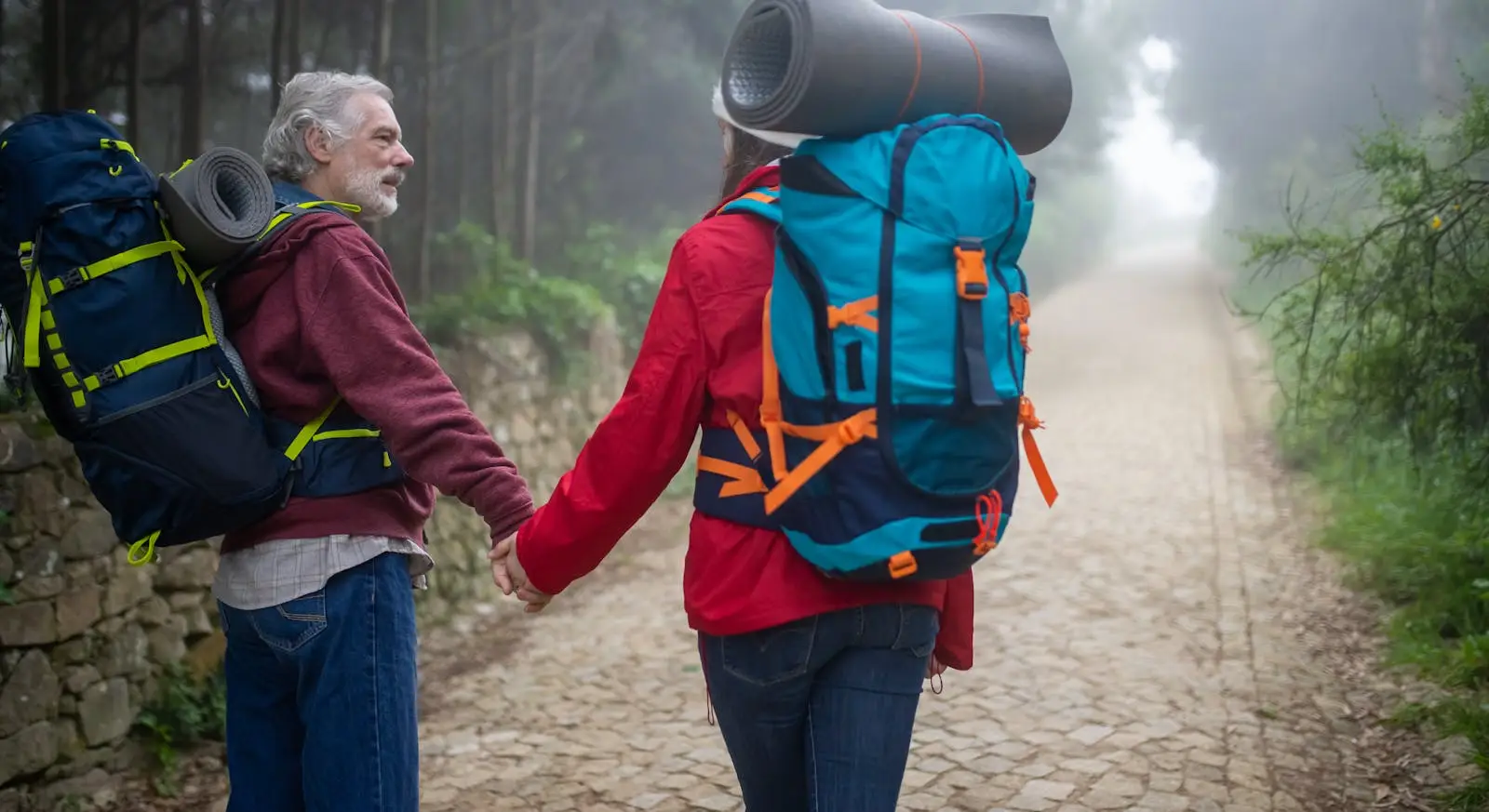
The report’s most striking finding is a generational paradox that upends assumptions about which age groups lead on sustainable travel. While 75% of Gen Z respondents (aged 18–28) and 71% of Millennials (aged 29–44) say they intend to travel more sustainably in the next 12 months, it is older generations who consistently follow through with concrete actions.
Of those intending to travel more sustainably, Boomers (aged 61 and over) lead on every practical measure:
- Reducing general waste on trips: Boomers 67%, Gen X 56%, Millennials 52%, Gen Z 48%
- Reducing energy consumption (e.g. turning off air conditioning and lights when not in the room): Boomers 60%, Gen X 51%, Millennials 46%, Gen Z 42%
- Shopping at local, independent stores: Boomers 59%, Gen X 50%, Millennials 44%, Gen Z 42%
- Traveling outside of peak season: Boomers 63%, Gen X 48%, Millennials 41%, Gen Z 36%
Younger travelers do lead in some areas, particularly experiential and cultural engagement. Nearly a third of Gen Z (31%) and Millennials (29%) participated in tours involving local indigenous cultures in the past 12 months, compared to 18% of Boomers. Similarly, 24% of Gen Z and 23% of Millennials took part in wildlife or ecosystem conservation activities, against just 9% of Boomers.
Extreme weather: a concern that crosses all generational lines
Unlike many sustainability behaviors, concern about extreme weather is uniform across all age groups. Nearly three quarters of all respondents (74%) say they now consider extreme weather risk when choosing both a destination and the timing of their trip, and 68% actively avoid destinations known for extreme conditions.
The human and operational impact of climate disruption is already measurable:
- 31% of travelers globally canceled or changed trip plans in the past 12 months due to extreme weather or natural disasters such as heatwaves, storms, wildfires or floods
- 55% say certain destinations have become too hot to visit at their preferred times
- 52% have removed destinations from their travel wish list due to extreme weather news
- 55% find extreme weather stressful when booking, and say unpredictable conditions make it hard to know when to travel
The disruption extends to the accommodation sector. A parallel survey of 3,715 hotel and accommodation providers across 18 countries found that 24% experienced operational disruptions due to extreme weather in 2025, and 40% have adjusted their operations in response to climate-related risks.
Overtourism and overcrowding: travelers begin to self-correct
A third major shift involves where and when travelers choose to go. Some 43% of all respondents say they plan to avoid overcrowded tourist destinations in 2026, up 11% year on year, while 42% plan to travel outside of peak season and 25% will actively seek out destinations with cooler temperatures.
The motivations behind these choices reflect a growing awareness of travel’s wider social and environmental impact:
- 44% of those choosing quieter destinations want to avoid contributing to overtourism
- 37% of those traveling off-peak want to reduce pressure on destinations
- 25% are seeking cooler destinations as rising temperatures affect traditional hotspots
The report also includes a second consecutive “Inside Out” section, which asks respondents about their experience of tourism where they live rather than where they travel. Some 80% of respondents across 35 countries see tourists at least seasonally, and 60% say tourism has an overall positive impact on their local area. The top reported benefit is local economic growth (59%), while the leading challenge is traffic congestion (40%).
Sustainable accommodation goes mainstream
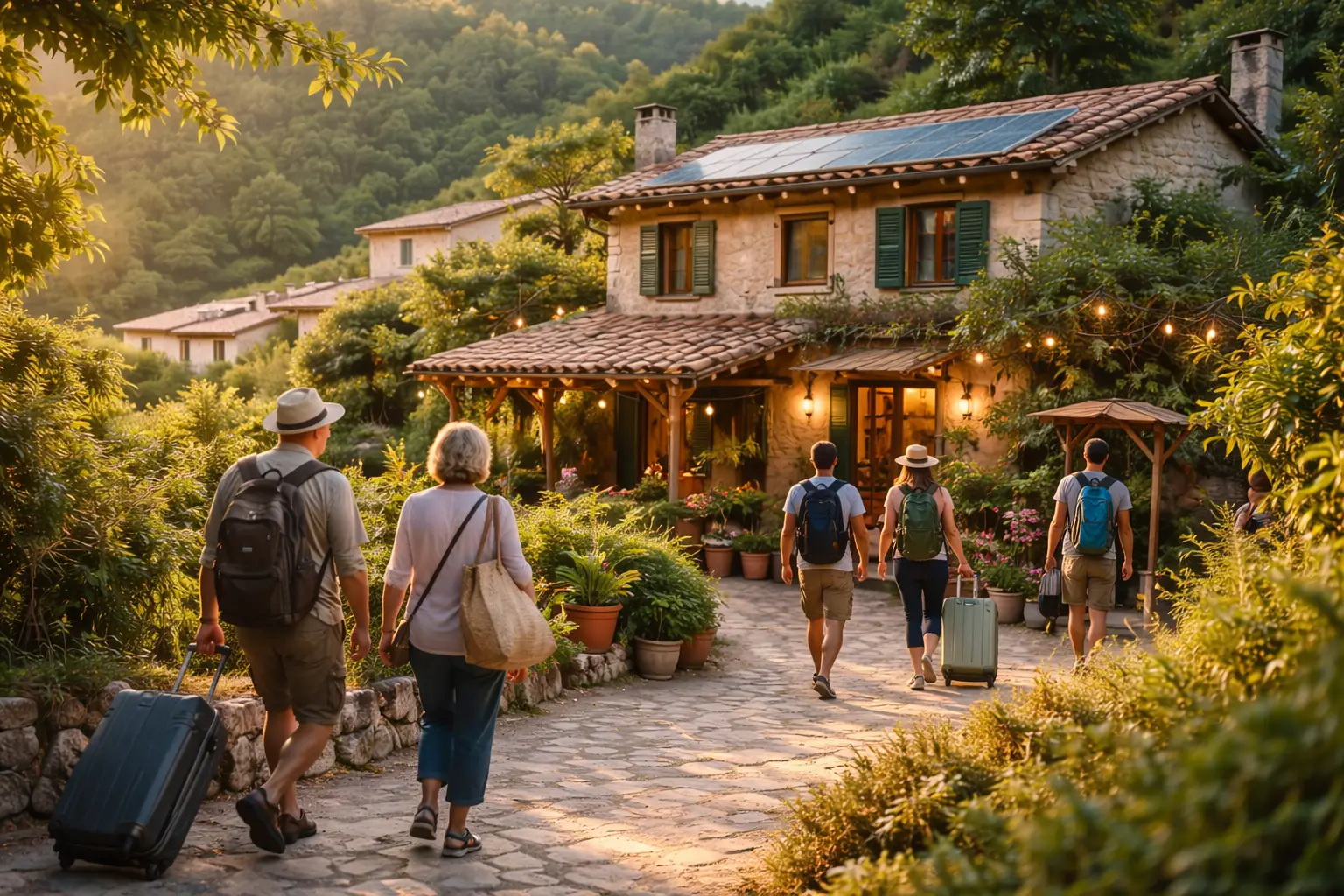
The fourth major finding is perhaps the clearest evidence that sustainable travel has crossed into the mainstream. Travelers booked 100 million room nights at properties with a third-party sustainability certification on Booking.com in 2025, and the intention to book certified accommodation is virtually identical across all generations:
- Gen Z (aged 18–28): 35%
- Millennials (aged 29–44): 36%
- Gen X (aged 45–60): 35%
- Boomers (aged 61+): 35%
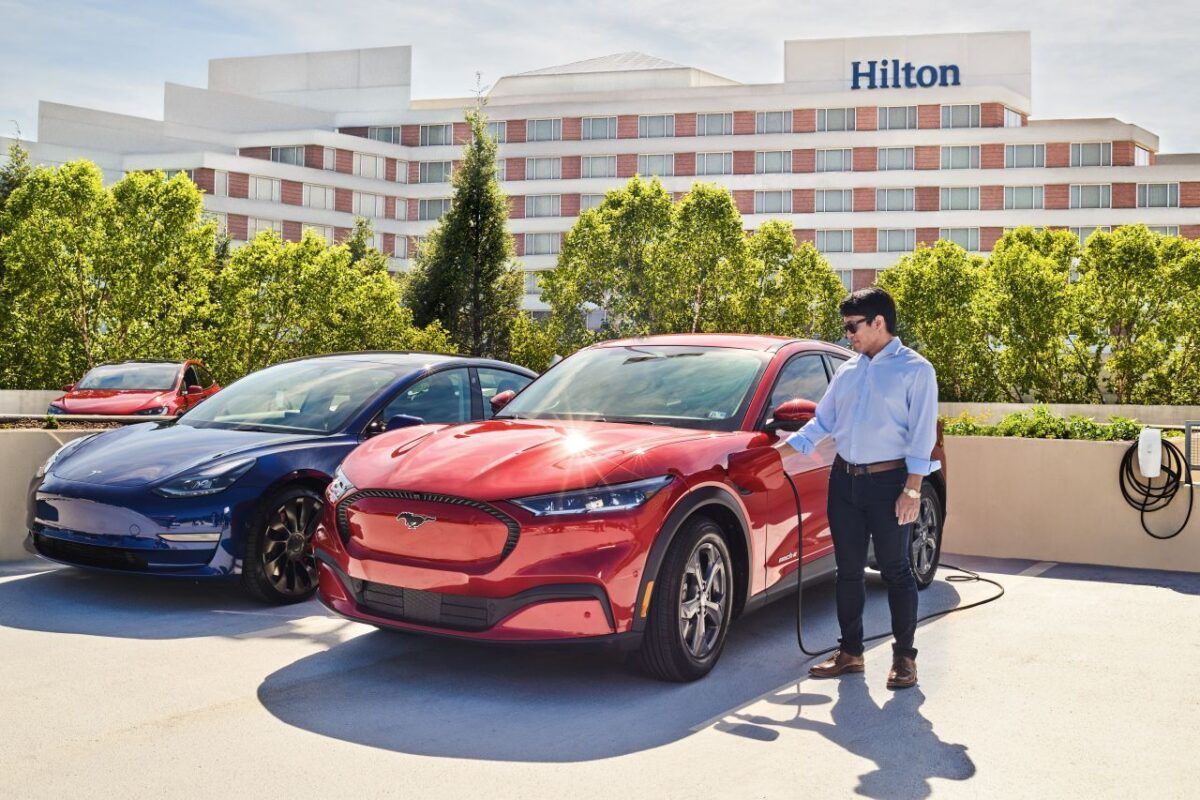
The number of properties with third-party certifications listed on Booking.com has grown 22% year on year to reach 28,000. The platform also now offers electric taxi bookings in 1,600 cities and electric or hybrid car rentals across 90 countries, as part of a broader push to make lower-emission travel options more accessible.
Barriers and incentives
Despite the positive trajectory, the report identifies persistent obstacles to more sustainable travel choices. The top five barriers cited by travelers are:
- 42% say finding more sustainable options takes too much time and effort
- 38% say more sustainable options are too expensive
- 37% do not trust that options labeled as sustainable truly are
- 37% say there are not enough sustainable options available for their trips
- 36% do not know where to find more sustainable travel options
On the incentive side, 47% of travelers say discounts and economic incentives would most encourage them to make more sustainable choices, followed by budget travel advice (45%), clearer sustainability labeling (41%), guidance on less crowded travel periods (40%) and loyalty programs rewarding sustainable choices (38%).
A platform commitment
Booking.com frames the report’s findings as both a measure of progress and a mandate for continued action, with the platform reporting a 94% reduction in its own electricity and gas emissions against a 2019 baseline.
“This year’s Travel & Sustainability Report shows that while generations may have different understandings of what constitutes more sustainable travel, adapting to extreme weather and actively avoiding crowds are now norms at all ages” Says Danielle D’Silva, Director of Sustainability, Booking.com.
“We are encouraged by the broad range of ways travelers are already traveling more sustainably, and how they plan to continue. Whether that’s the 100 million room nights travelers booked with accommodation partners displaying a third-party sustainability certification on our platforms in 2025, using public transport or hiring an electric vehicle to get around on their trips, or indeed, choosing cooler and quieter destinations altogether. As a global leader in travel, we want to make it easier for both travelers and partners to continue to make these more sustainable choices so that everyone can continue to enjoy the benefits that travel brings, and that destinations can continue to be enjoyed by visitors and residents alike.”
The 2026 Travel and Sustainability Report is based on responses from 32,500 travelers across 35 markets, with a supplementary survey of 3,715 accommodation providers across 18 countries. It is now in its 11th consecutive year of publication.
Research commissioned by Booking.com and independently conducted among a sample of 32,500 respondents across 35 countries and territories (1,000 from USA, 1,000 from Canada, 1,000 from Mexico, 1,000 from Colombia, 1,000 from Brazil, 1,000 from Argentina, 1,000 from Australia, 500 from New Zealand, 1,000 from India, 1,000 from China, 1,000 from Hong Kong, 1,000 from Thailand, 1,000 from Singapore, 1,000 from Taiwan, 1,000 from Vietnam, 1,000 from Indonesia, 1,000 from Philippines, 1,000 from South Korea, 1,000 from Japan, 1,000 from Spain, 1,000 from Italy, 1,000 from France, 500 from Switzerland, 1,000 from the UK, 1,000 from Ireland, 1,000 from Germany, 1,000 from the Netherlands, 1,000 from Belgium, 1,000 from Denmark, 1,000 from Sweden, 1,000 from Croatia, 500 from Greece, 500 from UAE, 1,000 from South Africa and 500 from Kenya). To participate, respondents had to be 18+ years, have traveled at least once in the past 12 months, must be planning to travel in 2026, and be either the primary decision maker or involved in the decision making of their travel. The survey was taken online and took place in January 2026. The age ranges for each generation were defined as: Gen Z 18-28, Millennials 29-44, Gen X 45-60, and Boomers 61+.
**Partner Survey commissioned by Booking.com of 3,715 Partners in Australia, Austria, Brazil, China, Croatia, France, Germany, Greece, India, Indonesia, Italy, Japan, Mexico, Portugal, Spain, Thailand, UK, US between 3-16 February 2026.