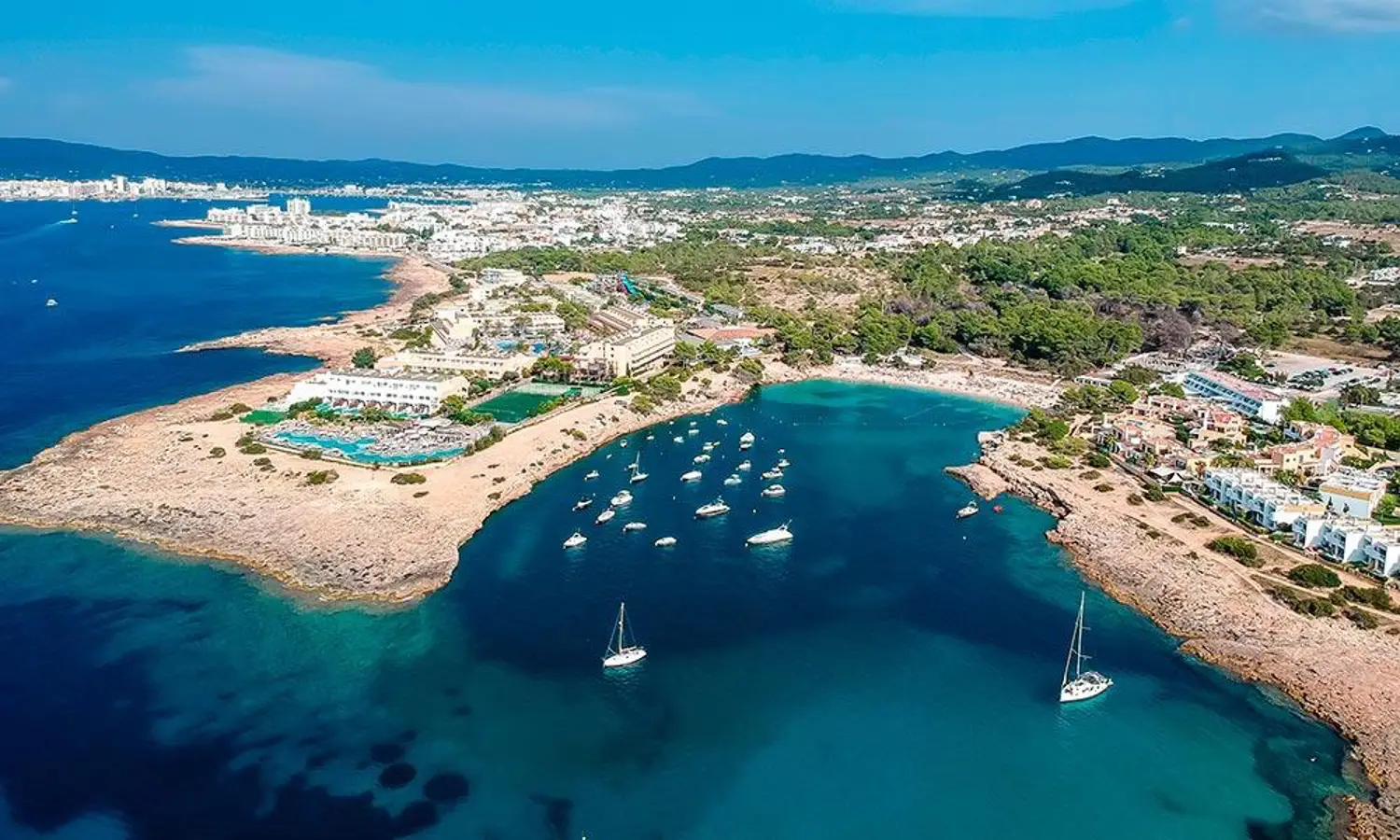
Ibiza is repositioning itself as a destination for sustainable tourism, with a renewed focus on culture, nature and local identity beyond its global reputation for nightlife. Authorities and tourism bodies are highlighting lesser-known aspects of the island to attract visitors seeking slower, more responsible travel experiences.
The initiative promotes rural landscapes, traditional villages and protected natural areas as central to Ibiza’s appeal. It also encourages year-round travel to reduce seasonal pressure and distribute economic benefits more evenly across the island.
Tourism officials say the strategy reflects growing demand from international travellers who prioritise sustainability, authenticity and cultural immersion. The campaign presents Ibiza as a place where visitors can engage with heritage, gastronomy and outdoor activities while minimising environmental impact.
Natural spaces play a key role in the repositioning. Ibiza is home to several protected areas, including nature reserves and marine ecosystems recognised for their biodiversity. Posidonia seagrass meadows, listed as a UNESCO World Heritage site, are highlighted as essential to the island’s coastal health and water clarity. Visitors are being encouraged to explore these environments responsibly through guided experiences and regulated access points.
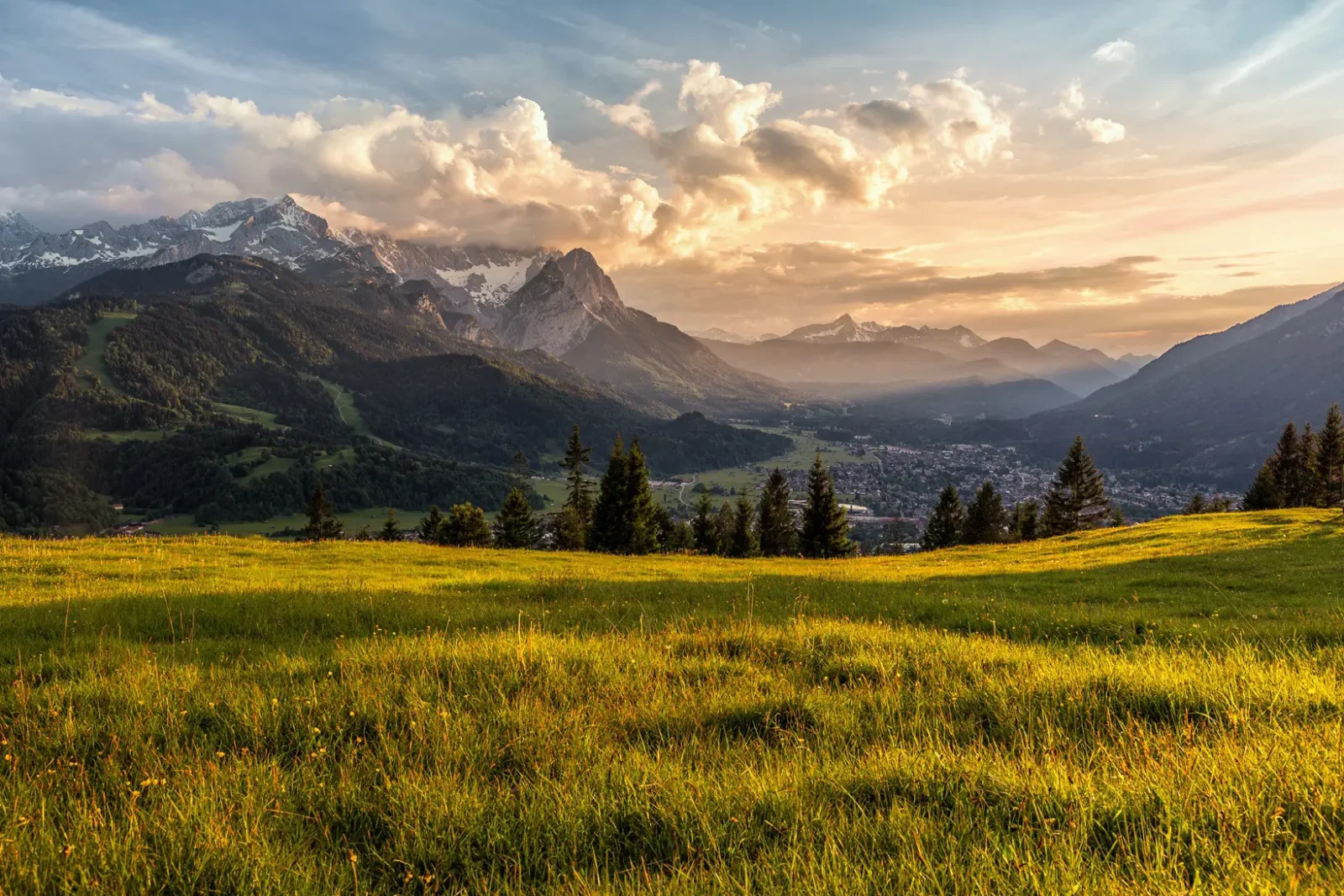
Inland, the island’s rural landscape offers walking and cycling routes that pass through farmland, pine forests and historic sites. These routes aim to showcase Ibiza’s agricultural traditions and slower pace of life, in contrast to its peak-season coastal tourism. Local authorities have invested in maintaining trails and promoting eco-friendly transport options.
Cultural heritage is another pillar of the strategy. Ibiza’s historic old town, Dalt Vila, remains a focal point, with its fortified walls and archaeological significance attracting visitors interested in history. Smaller villages across the island are also being promoted for their architecture, artisan markets and community festivals, which reflect longstanding traditions.

Gastronomy forms part of the effort to connect tourism with local production. Restaurants and agritourism initiatives are increasingly featuring locally sourced ingredients, including seafood, olive oil and seasonal produce. This approach supports farmers and fisheries while offering visitors a more authentic culinary experience.
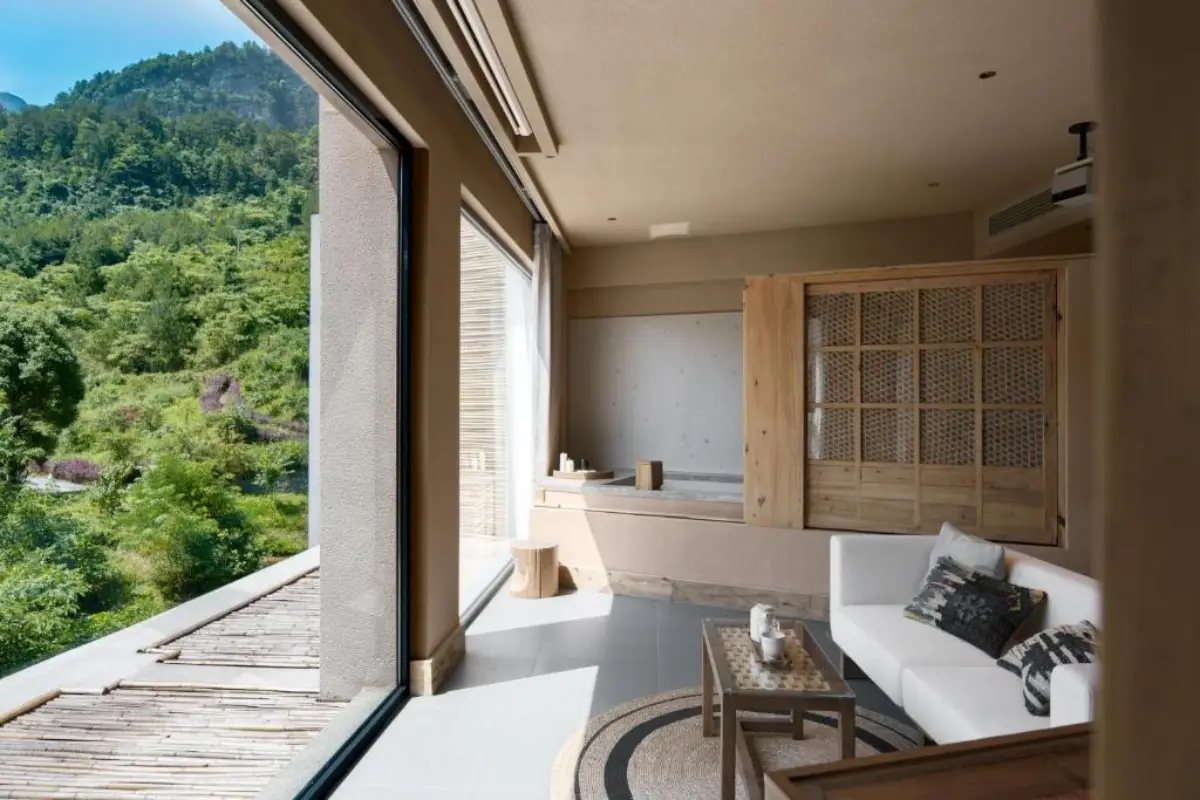
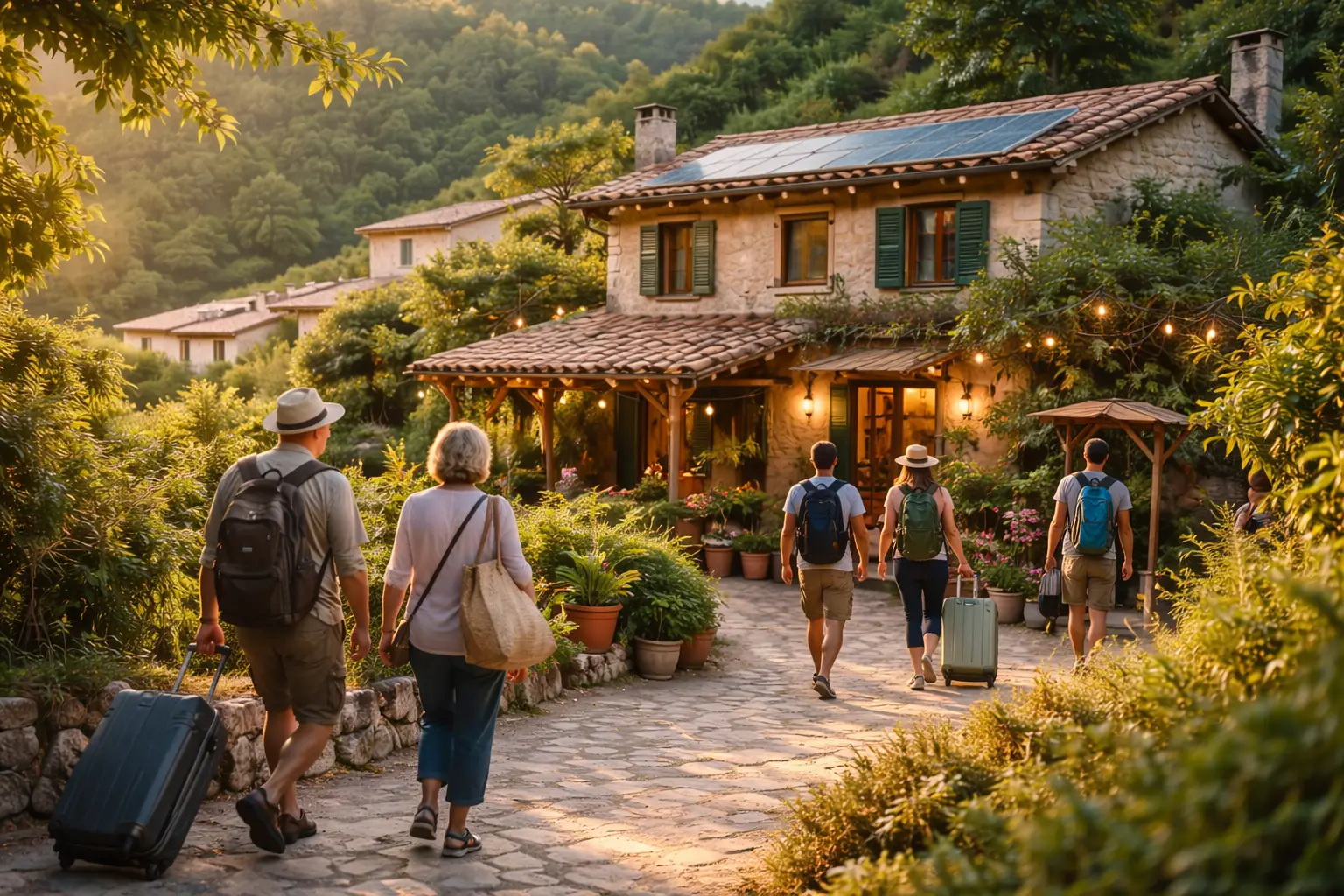
The shift towards sustainability also includes accommodation. Rural hotels, boutique stays and eco-conscious lodgings are being promoted as alternatives to large-scale developments. Many of these properties incorporate renewable energy, water conservation systems and low-impact design.
Authorities are also addressing the environmental challenges linked to high visitor numbers during the summer months. Measures include stricter controls on coastal access, limits on certain activities in sensitive areas and awareness campaigns focused on responsible behaviour. These steps aim to protect ecosystems while maintaining the island’s attractiveness.
Seasonality remains a central issue. By promoting cultural events, outdoor activities and wellness tourism outside peak months, Ibiza aims to extend its tourism calendar. This includes spring and autumn programmes focused on hiking, cycling and cultural exploration, as well as smaller-scale festivals that avoid overcrowding.
The repositioning reflects broader trends in global travel, where destinations are under pressure to balance economic benefits with environmental protection. Ibiza’s approach seeks to diversify its image while preserving the qualities that have made it internationally known.
Industry observers note that the success of the strategy will depend on consistent implementation and collaboration between public authorities, local communities and private businesses. Managing visitor expectations will also be key, particularly as the island continues to attract large numbers of tourists during peak periods.
For travellers, the campaign offers a different perspective on Ibiza. Beyond its beaches and nightlife, the island is being presented as a destination rooted in nature, heritage and sustainability, with experiences designed to connect visitors more closely to its environment and culture.